2 hr
Sapporo Sumo Wrestling Show with Traditional Meal
- Entry ticket
- Mobile voucher
- Valid same day
- Free cancellation
Sapporo Sumo Show — Live Wrestlers, Chanko-Nabe & Reserved Seating
Watch rikishi compete in ceremonial bouts, then share their training meal beneath the dohyo.
Compare fares, pick the fit — all bookings are mobile-voucher and eligible for free cancellation where shown.
2 hr
1 hr 30 min
10 hr
| Experience | From | Duration | Rating | Pickup | Lunch | Free cancel. | Price | |
|---|---|---|---|---|---|---|---|---|
|
Standard Entry
Most popular
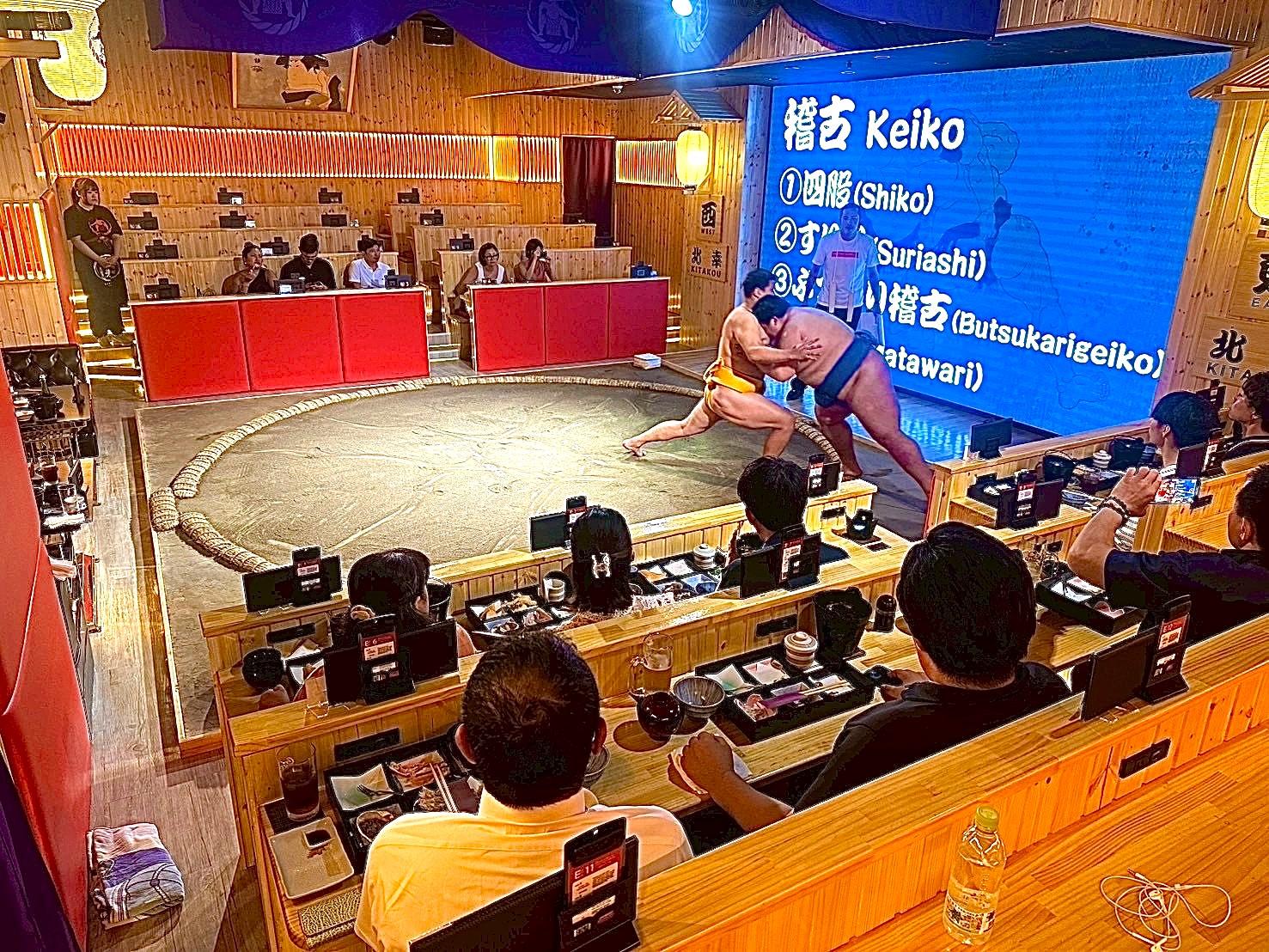
Sapporo Sumo Wrestling Show with Traditional Meal
|
— | 2 hr | ★ 4.8 | — | — | ✓ | €65 | Book → |
|
Standard Entry
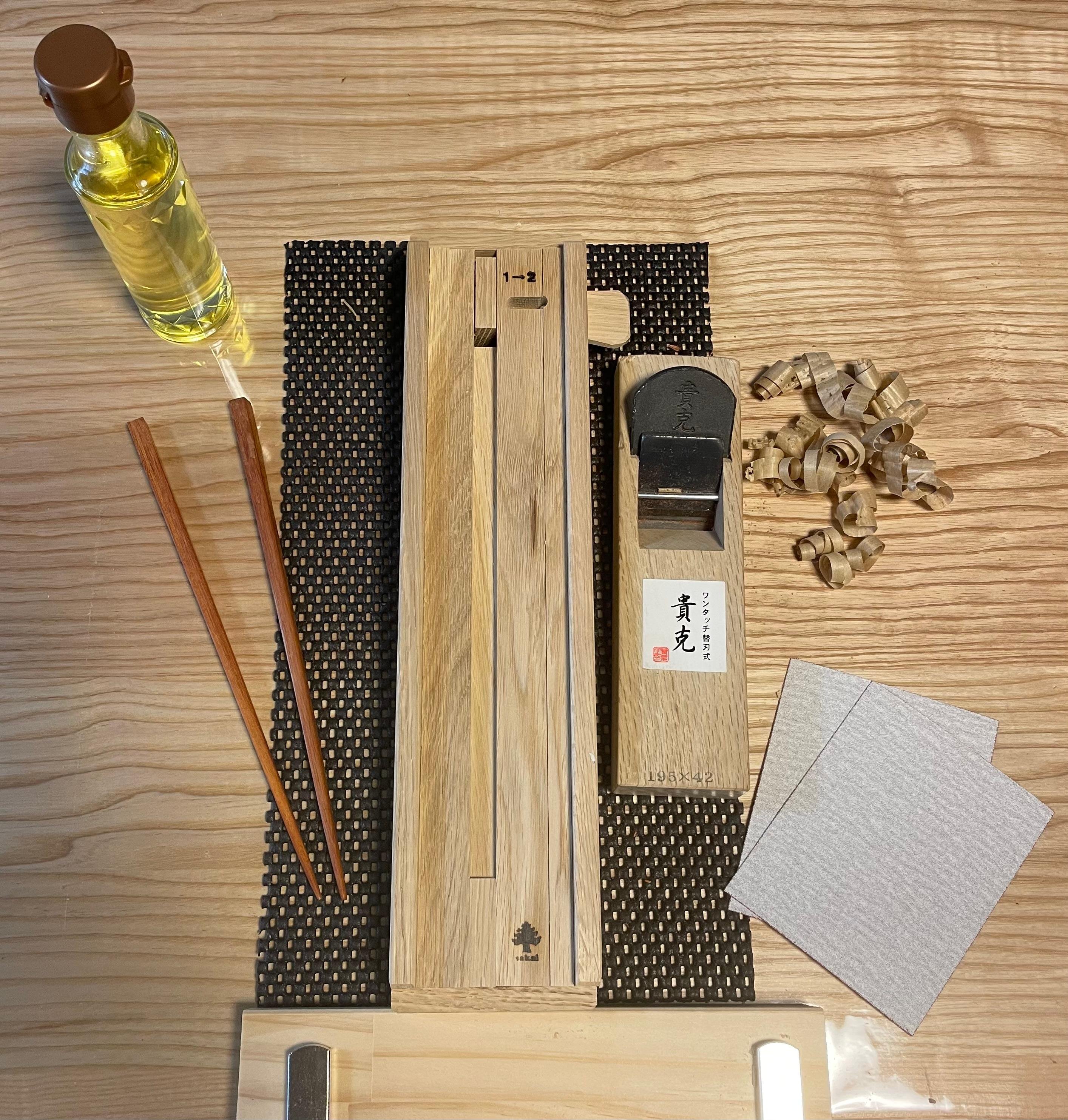
Handcrafted Chopstick Workshop in Sapporo
|
— | 1 hr 30 min | ★ 5.0 | — | — | ✓ | €35 | Book → |
|
Guided Experience
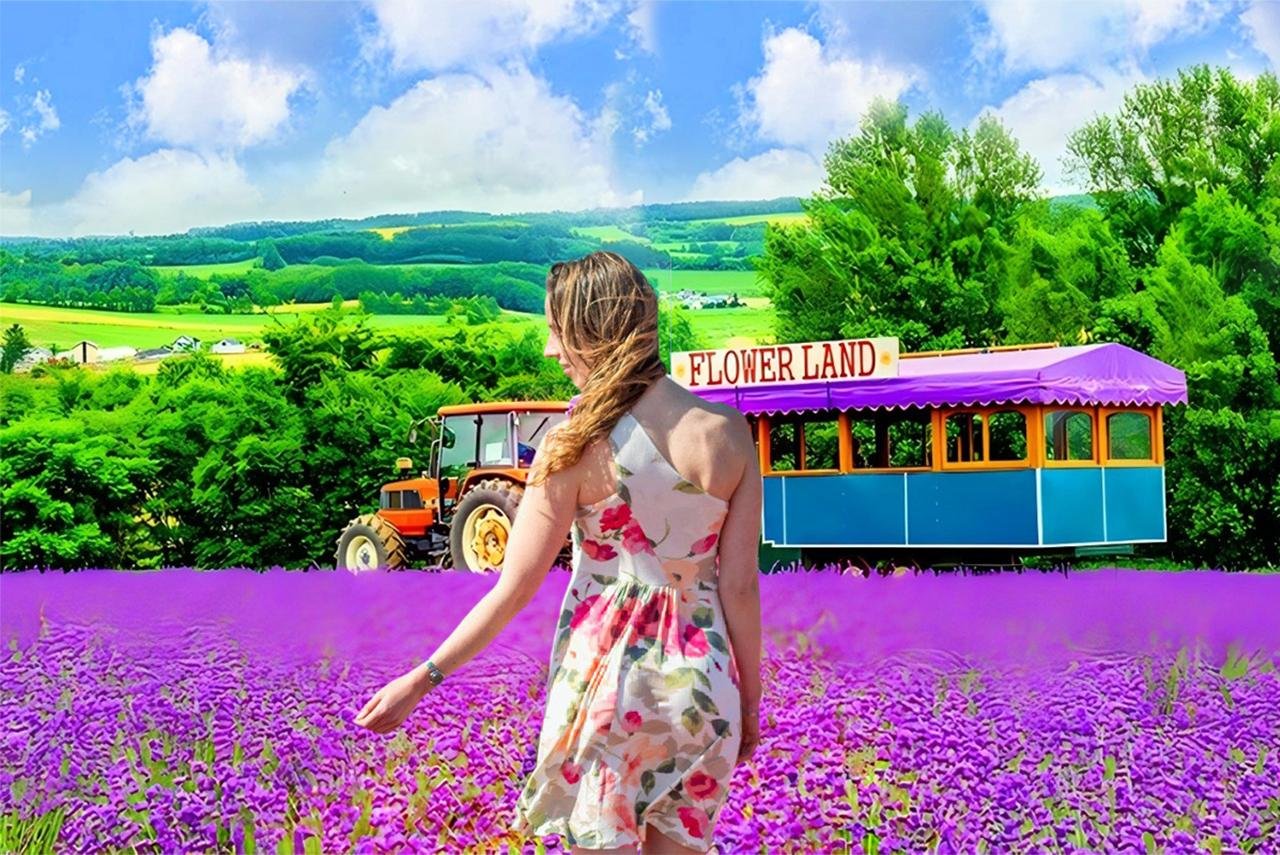
Biei & Furano Flower Fields Day Trip from Sapporo
|
Sapporo | 10 hr | ★ 4.5 | ✓ | ✓ | ✓ | €36 | Book → |
Worth it for cultural immersion seekers
The 16,000 JPY entrance fee for the sapporo sumo show delivers a complete cultural package rather than just a performance viewing. You're paying for three elements bundled together: a live sumo demonstration with retired professional wrestlers, a full chanko-nabe hot pot meal (the traditional wrestler's diet), and a commemorative photo opportunity with the athletes. The value proposition works best if you're genuinely interested in sumo culture beyond the surface level—understanding training rituals, the significance of the salt-throwing ceremony, and the athletic discipline behind the sport. For casual tourists prioritizing other Sapporo experiences like the beer museum or ramen alley, the price point may feel steep. The intimate basement venue (Minami4-Nishi2 Bldg. B1F) seats around 40-60 guests, creating an authentic dohyo atmosphere that larger arenas can't replicate. If you're comparing it strictly to a standard restaurant meal, it's expensive; if you're evaluating it as a cultural workshop with food included, the pricing aligns with similar immersive experiences across Japan. The retired wrestlers provide English commentary, making it accessible for international visitors seeking deeper cultural engagement during their Hokkaido trip.
Bottom line: The Sapporo sumo show justifies its cost for travelers prioritizing authentic cultural immersion over sightseeing volume.
Hand-picked experiences loved by thousands of travelers
10 hours
Free Cancellation
Discover Hokkaido's west coast: historic canals, whisky heritage, and stunning blue waters in one day.
10 hours
Free Cancellation
Discover turquoise coastlines, historic distilleries, and charming canal towns on this full-day escape
Flexible
Ascend to a 90-meter viewing platform for sweeping cityscapes and seasonal park vistas
10 hours
Free Cancellation
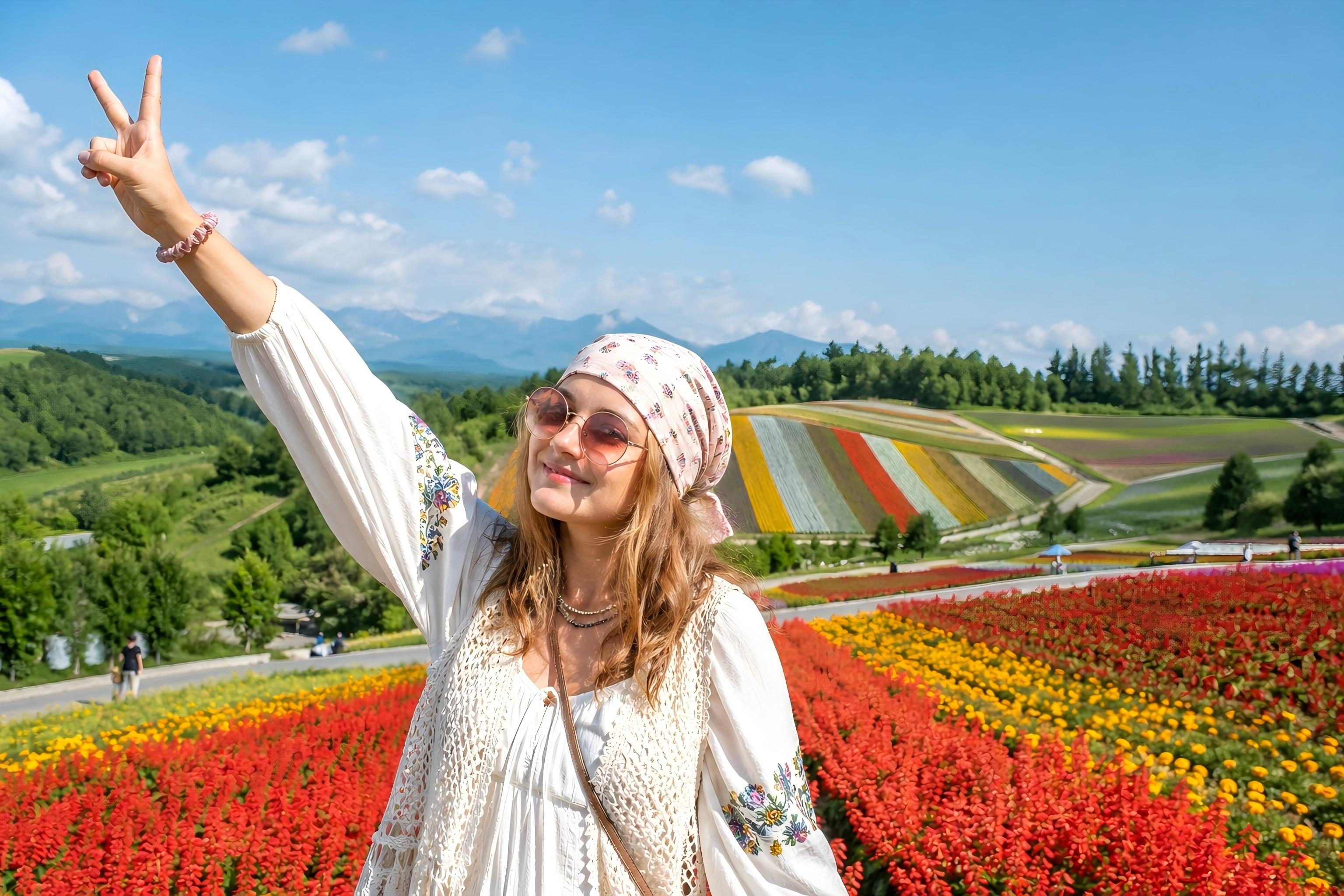
Discover Biei's famous turquoise pond and Furano's vibrant lavender farms on a scenic full-day escape from Sapporo
10 hours
Free Cancellation
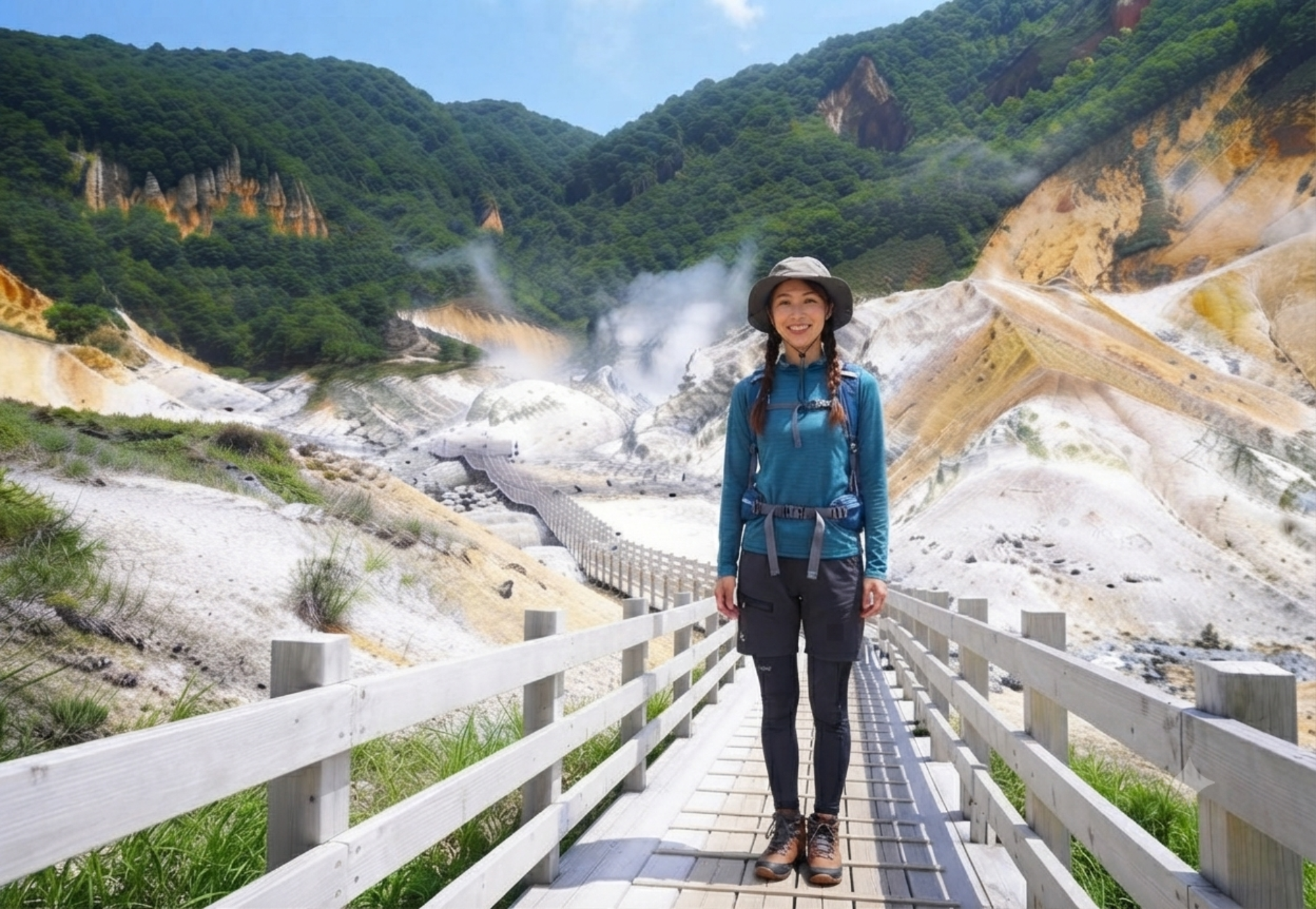
Discover Hokkaido's architectural wonder, caldera lake vistas, and steaming volcanic craters on this 10-hour guided tour
11 hours
Free Cancellation
Discover Hokkaido's volcanic wonders, pristine lakes, and hot spring towns on this comprehensive guided coach tour.
2 hours
Free Cancellation
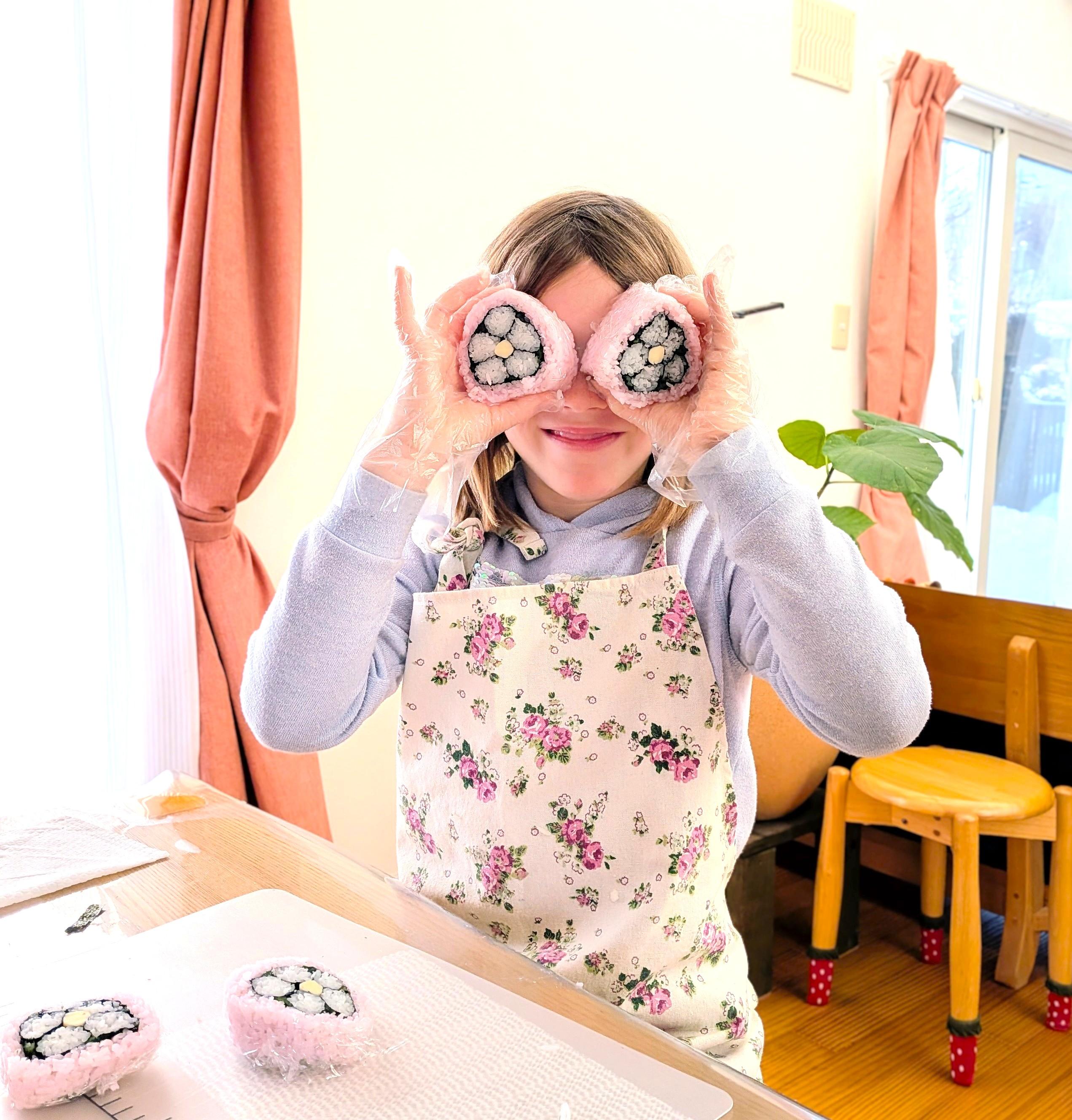
Master the traditional Japanese craft of creating ornate sushi rolls in this interactive culinary session
8 hours
Free Cancellation
Eight-hour private expedition to volcanic landscapes, caldera lakes, and steaming geothermal valleys
Registration at the Minami4-Nishi2 Bldg. B1F entrance.
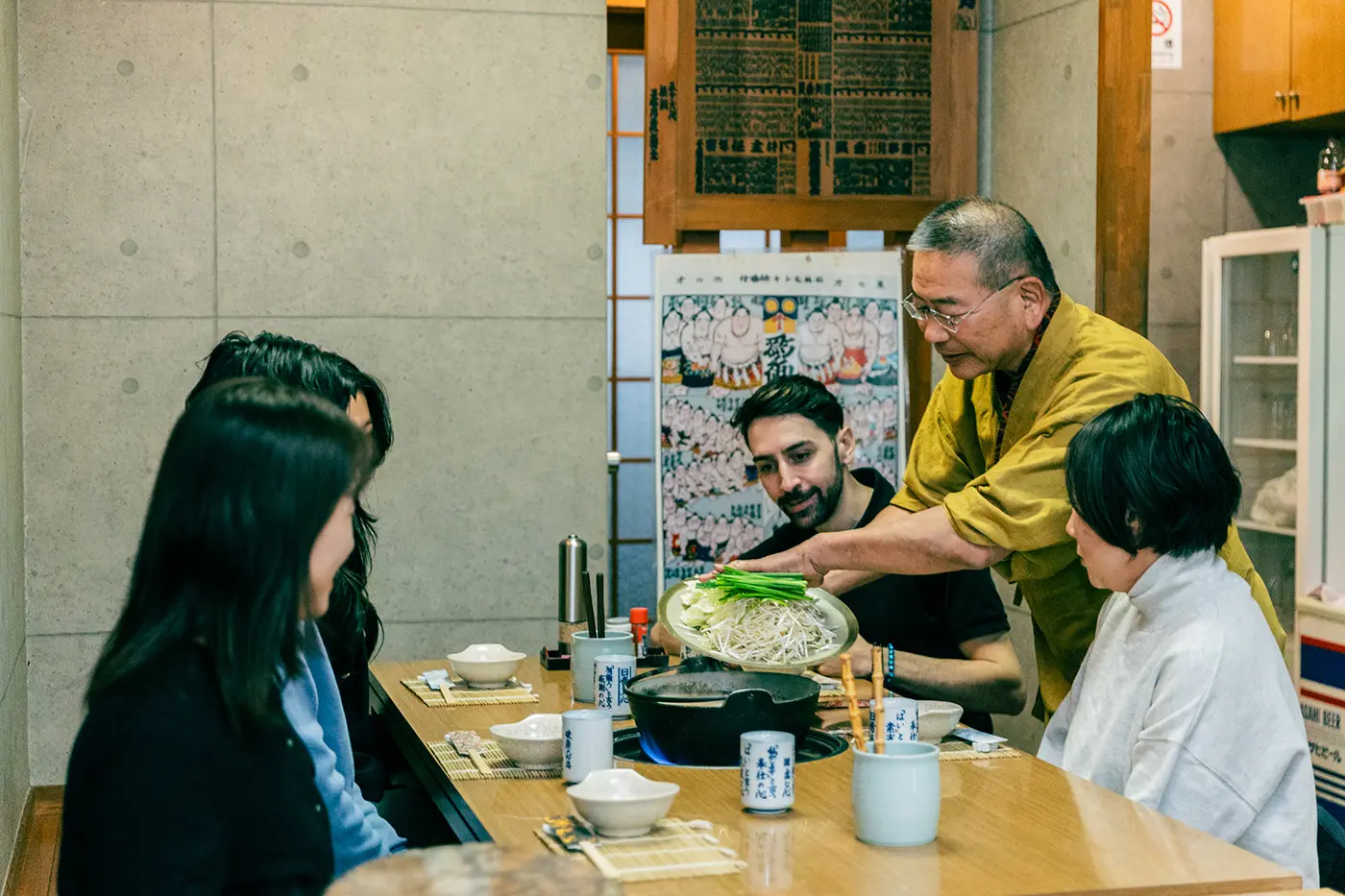
Enjoy traditional chanko-nabe with other guests.
Watch live matches and cultural demonstrations.
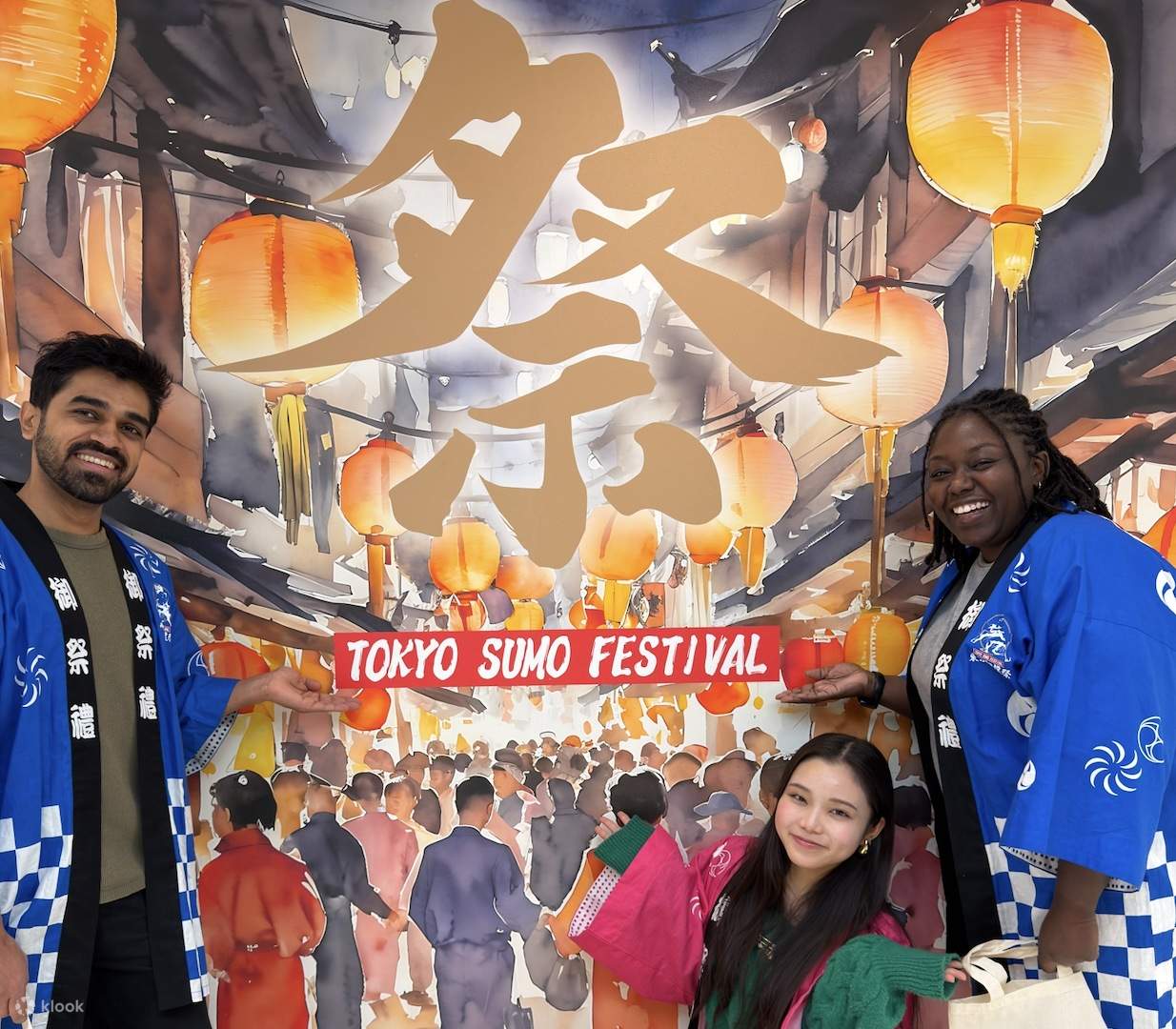
Take photos with the participating wrestlers.
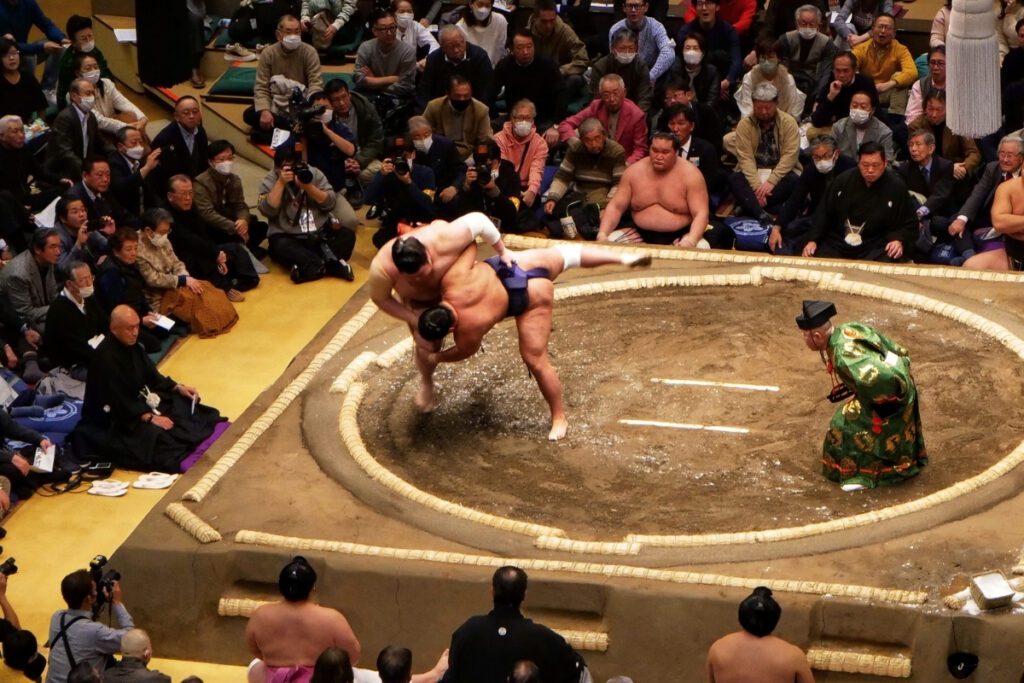
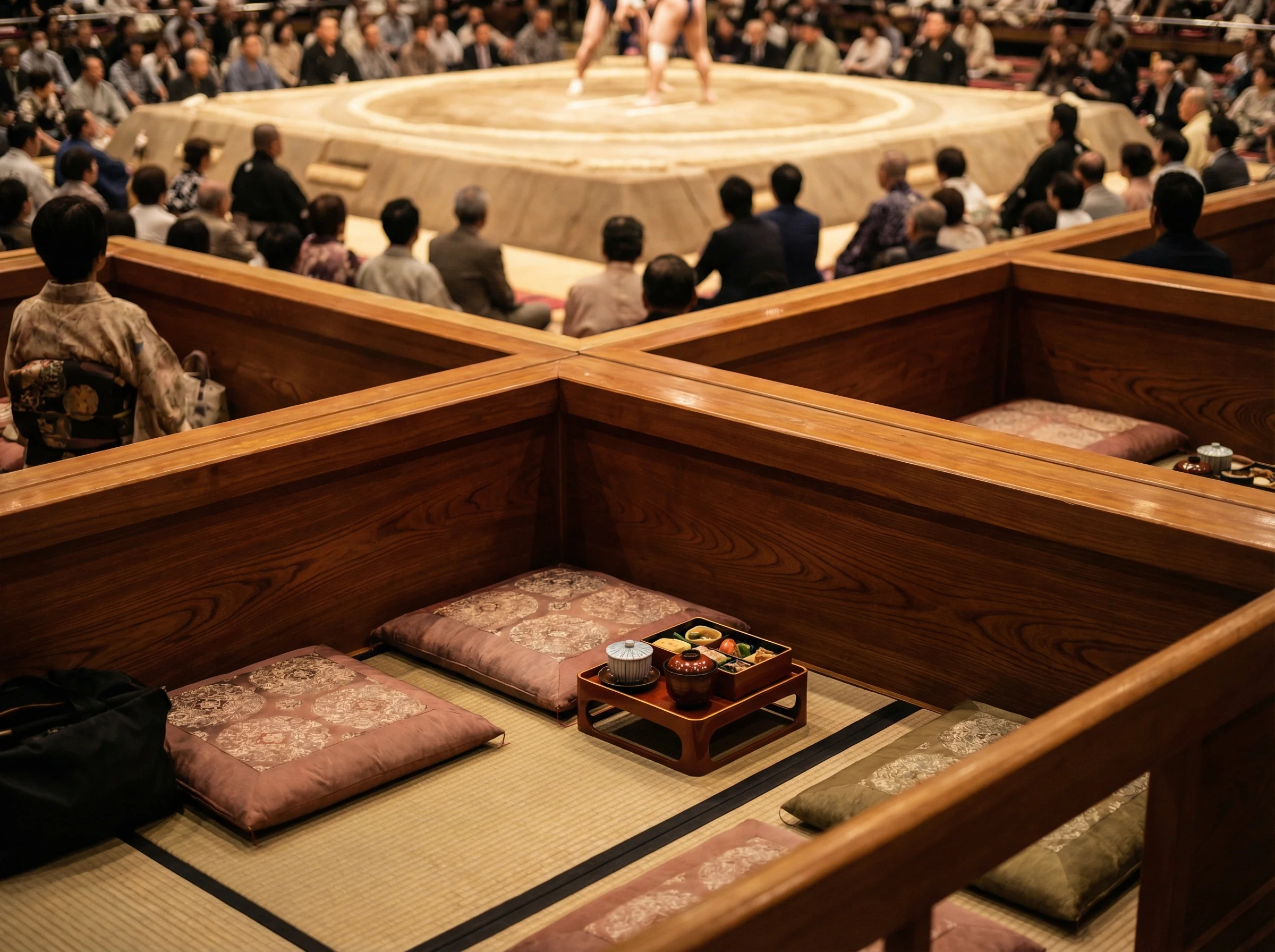
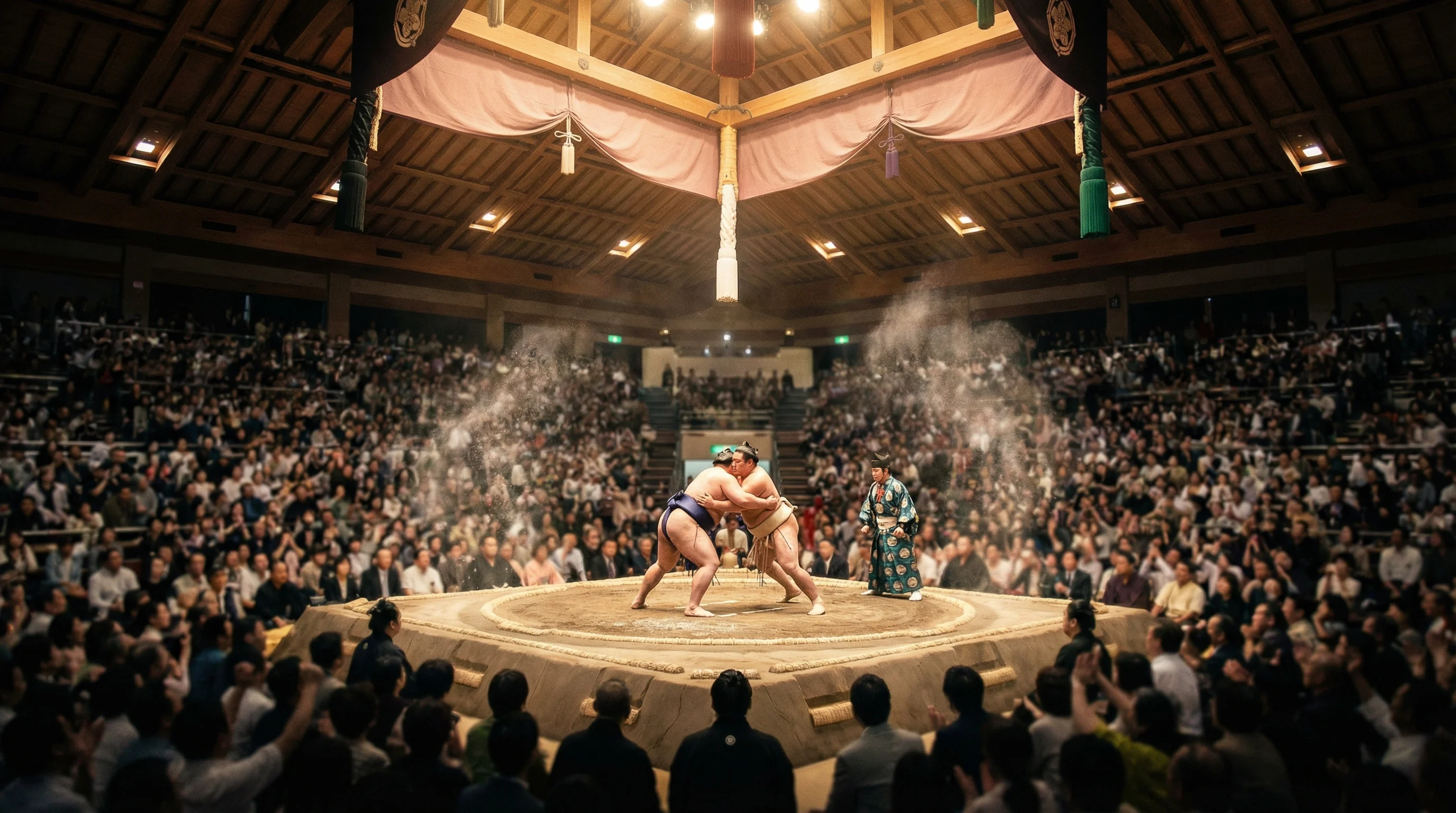
The circular clay ring where all matches occur, elevated to provide clear sightlines for the audience. The surface is meticulously maintained for safety and tradition.
The station where the traditional high-protein sumo stew is prepared and served fresh to guests. This dish is central to the wrestler training diet.
The designated zone for capturing memories with the wrestlers after the sapporo sumo show concludes. Proper posture is often taught during this segment.
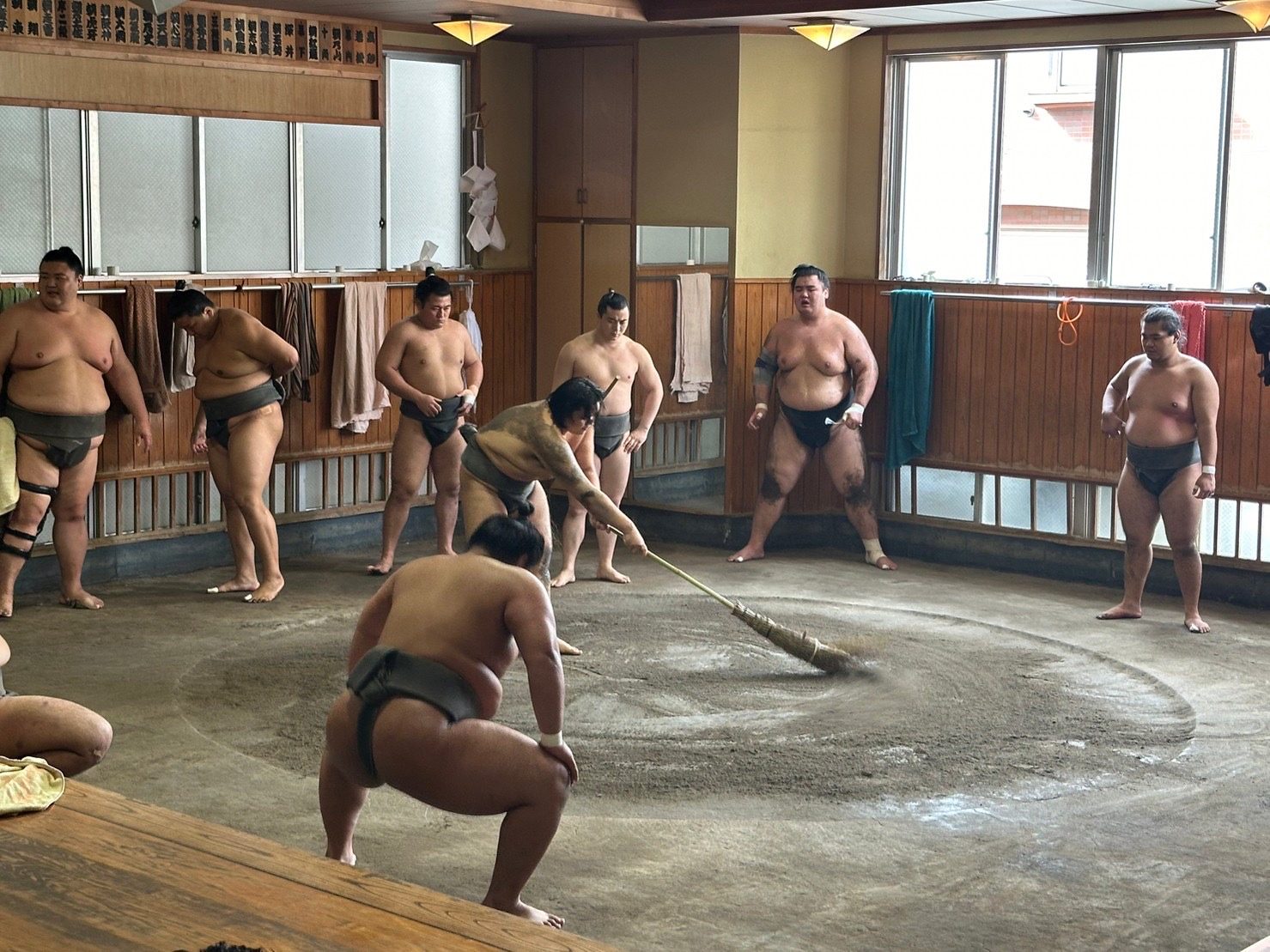
The area where wrestlers perform stretches and demonstrate basic techniques. Guests can often observe the intensity of their daily training here.
A collection of traditional training equipment used by athletes in the sport. It highlights the dedication required for professional wrestling.
You descend the stairwell into a low-ceilinged theater where the dohyo occupies the center of the room, its clay surface still damp from morning preparation. Wrestlers arrive in yukata robes, their hair pulled into topknots secured with wax and paper.
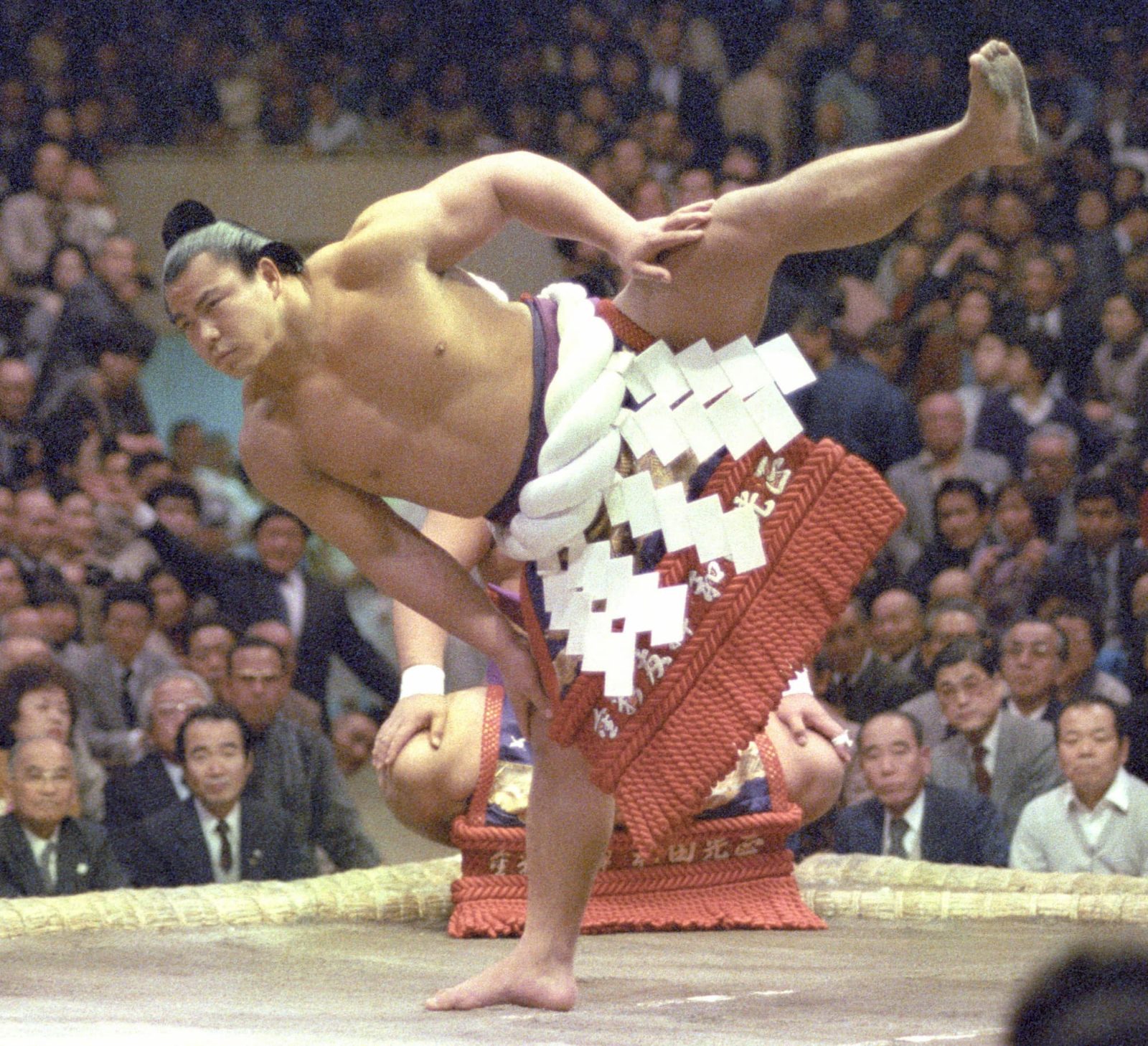
You take your seat at a lacquered table as the first rikishi performs shiko, lifting one leg to shoulder height before driving his heel into the clay with enough force to shake the floor. The stomping is both ritual and conditioning, designed to summon good spirits and test the ring's structural integrity.
The exhibition begins with two matches. You watch from less than two meters away as the wrestlers crouch, slap the clay, and collide chest-to-chest with a sound like truck doors slamming. The bouts end in seconds, one man driven backward over the tawara bales. Between rounds, a retired sekitori explains the forty-eight recognized kimarite winning techniques, then demonstrates kubinage neck throws and uwatenage overarm lifts using a volunteer from the audience. The chanko-nabe arrives in a iron nabe pot, still bubbling. You ladle broth over rice as the wrestlers sit cross-legged nearby, answering questions about daily calorie intake and heya dormitory rules. After the meal, the retired wrestler offers you a chance to step onto the dohyo. You grip his mawashi belt and push. He does not move. The photographer captures your effort, and you return to your seat holding a printed photo of yourself mid-shove, the wrestler's expression unchanged.
All the details about your upcoming adventure in one place
Watch professional rikishi demonstrate traditional sumo wrestling techniques at this intimate sapporo sumo show held in a purpose-built dohyō venue. Guests observe ceremonial rituals, learn ring-entering protocols, and see live demonstration bouts that illustrate throws, grips, and footwork used in grand tournaments. Many sapporo sumo show tours include a brief Q&A with retired wrestlers who explain training regimens and the sport's deep connection to Shinto tradition.
Sumo wrestling predates written Japanese history by centuries, yet professional matches remain concentrated in six annual honbasho tournaments held exclusively in Tokyo, Osaka, Nagoya, and Fukuoka. Hokkaido, despite hosting the Hakodate honbasho from 1953 to 1957, has no permanent sumo venue on the modern circuit.
The Sapporo sumo show emerged in 2018 to fill that void, offering year-round demonstrations in a basement theater beneath Susukino's entertainment district. Unlike tournament sumo, where spectators sit meters from the dohyo in silence, this format invites close-range observation of technique, ritual, and the wrestlers' physical presence.
The 16,000-yen admission includes a chanko-nabe meal prepared by former rikishi. Chanko is the protein-dense stew consumed by wrestlers in heya training stables to sustain their mass. Recipes vary by stable, but the Sapporo version follows Hokkaido tradition with salmon, miso broth, and root vegetables sourced from regional farms. Guests eat communally at low tables while wrestlers perform shiko leg stomps, explain rank hierarchy, and conduct ceremonial salt purification. The dohyo itself is a miniature clay ring built to Japan Sumo Association specifications, with tawara rice-straw bales marking the boundary and a suspended Shinto canopy overhead.
Sapporo sumo wrestling differs from honbasho in one critical aspect: participation. After two exhibition bouts between professional or amateur wrestlers, attendees are invited to step onto the dohyo for a supervised push-out match. Foreigners frequently accept, unaware that even light contact with a 150-kilogram sekitori generates enough momentum to lift an adult off their feet. The commemorative photo captures that moment of impact. Demonstrations run daily from 11:00 to 21:00, with showtimes coordinated around meal service. The venue's compact scale means seating is limited to 40 guests per session, and winter bookings from December through February fill weeks in advance as tourists combine the experience with Sapporo Snow Festival itineraries. The theater's location in the Minami4-Nishi2 building places it three blocks south of Odori Park and adjacent to Susukino Station's southern exit, accessible via the Namboku subway line.

Unlike tournament sumo, where spectators sit meters from the dohyo in silence, this format invites close-range observation of technique, ritual, and the wrestlers' physical presence.
Casual comfortable attire is recommended for the sapporo sumo show. Please refrain from wearing shoes on the tatami mats if instructed by staff.
Large bags are discouraged as space is limited in the venue. Security staff may perform brief checks upon entry to the sapporo sumo show.
Photography is permitted during designated segments of the sapporo sumo show. Guests may capture photos with the wrestlers during the provided session.
Families are welcome at the sapporo sumo show. Children should be supervised at all times during the wrestling demonstrations.
The venue is located in a basement level accessible via stairs. Please contact the operator in advance regarding specific mobility requirements for the sapporo sumo show.
The entrance fee of 16,000 JPY covers the chanko-nabe meal provided during the event. Outside food and beverages are not permitted inside the sapporo sumo show venue.
Opening Hours
11:00–21:00
Address
Minami4-Nishi2 Bldg. B1F, Minami 4-jo Nishi 2-chome, Chuo-ku, Sapporo, Hokkaido, Japan
Entry Status
Standard access available
Best Window
11:00–19:00
Storage
Limited space available
Navigation
Located in the Susukino district
Public transport · 5 min · Small cost
Take the Namboku or Toho subway line to Susukino Station. The venue is a 5-minute walk from the station exit.
Taxi · 10 min · Moderate cost
Request to be dropped off near the Minami 4-jo Nishi 2-chome intersection. This is the most direct route to the sapporo sumo show.
Cancellations must be made according to the official site terms. The 16,000 JPY entrance fee includes the performance, meal, and photo.
Recommended time
2–3 hours
A visit to the sapporo sumo show typically covers the live exhibition, your included meal, and the scheduled photo session. You should plan for this duration to comfortably enjoy the ring rituals and traditional performances. Securing sapporo sumo show tickets in advance allows you to navigate the venue efficiently during the best arrival window of 11:00–19:00. Those interested in detailed sapporo sumo show tours should arrive early to settle into their seats before the wrestlers begin their demonstration.
Crowd levels through the day
Weather · crowds · average price — dots go green to amber to red as each metric rises.
Mild temperatures make the walk to the venue pleasant. This season offers fewer crowds than winter.
The sapporo sumo show is a popular indoor escape during warm days. Book in advance for weekend slots.
Comfortable weather prevails in September. It is an ideal time for city sightseeing before the Sapporo snow.
The venue serves as a warm cultural sanctuary. Expect high demand during the Sapporo Snow Festival.
Reservations fill up quickly, so book your sapporo sumo show tickets well in advance. Check the official site for remaining availability.
Always remove your shoes if required by the staff when entering the performance area. This maintains the hygiene of the tatami.
You may be invited to try some sumo movements during the interactive portion. Prepare to participate if you wish.
Review basic sumo terminology before your sapporo sumo show visit. This enhances your understanding of the matches.
Mention any allergies at the time of booking to ensure the chanko-nabe is suitable. The meal is a central part of the experience.
Position yourself at the front-row tables to capture the intensity of the wrestlers as they enter the ring for the sapporo sumo show.
Focus on the traditional steaming pots and ingredients before the performance begins to document your sapporo sumo show tour experience.
Stand near the designated signage or wrestler display area for a posed portrait included with your sapporo sumo show tickets.
Visitors attending the sapporo sumo show will find themselves in the heart of the Susukino entertainment district, where diverse culinary options abound near the venue. While your ticket includes a traditional chanko-nabe meal, the surrounding streets offer plenty of variety for those seeking additional local flavors.
A legendary spot specializing in grilled mutton, perfect for experiencing Hokkaido soul food after your sapporo sumo show tours conclude. Expect a wait, as this counter-seating venue is popular with locals and travelers alike.
This popular noodle house is located within walking distance, offering rich miso ramen that serves as an ideal complement to your sapporo sumo show tickets. It is a casual, no-frills destination for a hearty meal.
Known for its signature skewers and fragrant broth, this restaurant is a great choice for those looking to explore Sapporo landmarks of the culinary variety after their sapporo sumo show tour.
Real experiences from real travelers
The stable visit offered a rare glimpse into daily training routines. Wrestlers demonstrated fundamental techniques and explained the strict hierarchy system. The chanko lunch afterward featured seasonal Hokkaido vegetables and was served in the same room where rikishi eat together daily.
Watching the morning practice session at this Sapporo sumo show was remarkable. The sound of bodies hitting the clay dohyō echoed through the wooden hall. Our guide translated the stable master's instructions in real time, which added important context to each movement.
We arrived at 7am to observe the training from the viewing platform. The rikishi were already an hour into their practice. Seeing the repetition and discipline required for professional sumo gave me deep respect for the sport. Photography was allowed during certain portions only.
The demonstration included explanations of ring purification rituals, referee hand signals, and winning techniques. Wrestlers answered questions through a translator after the exhibition matches. The stable maintains traditional architecture with clay walls and bamboo fixtures throughout.
This wasn't a tourist performance but an actual training environment. The stable master corrected junior wrestlers with sharp instructions while senior rikishi practiced independently. We sat on floor cushions at the edge of the ring for about 90 minutes.
The guided portion covered sumo history in Hokkaido and how stables recruit young athletes. We watched practice bouts where technique mattered more than size. The intimate setting meant we were close enough to feel the impact when wrestlers fell.
Observing the hierarchical meal preparation after training was fascinating. Junior wrestlers cooked while senior members rested. The efficiency and respect embedded in every interaction reflected centuries of tradition. Morning sessions fill quickly so advance booking is necessary.
The stable operates on a strict schedule that visitors must respect. No talking during active training and shoes are removed at the entrance. Seeing sumo in this authentic context rather than a stadium gave me appreciation for the lifestyle these athletes commit to year-round.
We were fortunate to visit during a week when the stable hosted several visiting wrestlers from other regions. The practice matches were intense and the gyōji referee demonstrated how he judges close calls. The dohyō clay is replaced every few months and comes from specific quarries.
Everything you need to know for your journey
The venue is open daily from 11:00–21:00. This applies to all days of the week.
The venue is located in a basement level with stairs, so please contact the operator regarding specific accessibility needs.
The 16,000 JPY fee includes the wrestling performance, a chanko-nabe meal, and a commemorative photo.
Outside food and drinks are not allowed as the meal is included in your sapporo sumo show admission.
Photography is allowed during designated times at the sapporo sumo show. Professional tripods are prohibited.
Arrive within the 11:00–19:00 window. Shows are scheduled around meal times, so being early ensures better seating.
Yes, families are welcome. Please ensure children remain supervised during the sapporo sumo show.
The venue is a short walk from Susukino Station via the Namboku or Toho lines.
Cancellations are handled per the official site policy. Ensure your sapporo sumo show tickets are booked well ahead.
A massive covered arcade featuring hundreds of shops and local food stalls. It is one of the oldest shopping areas in the city.
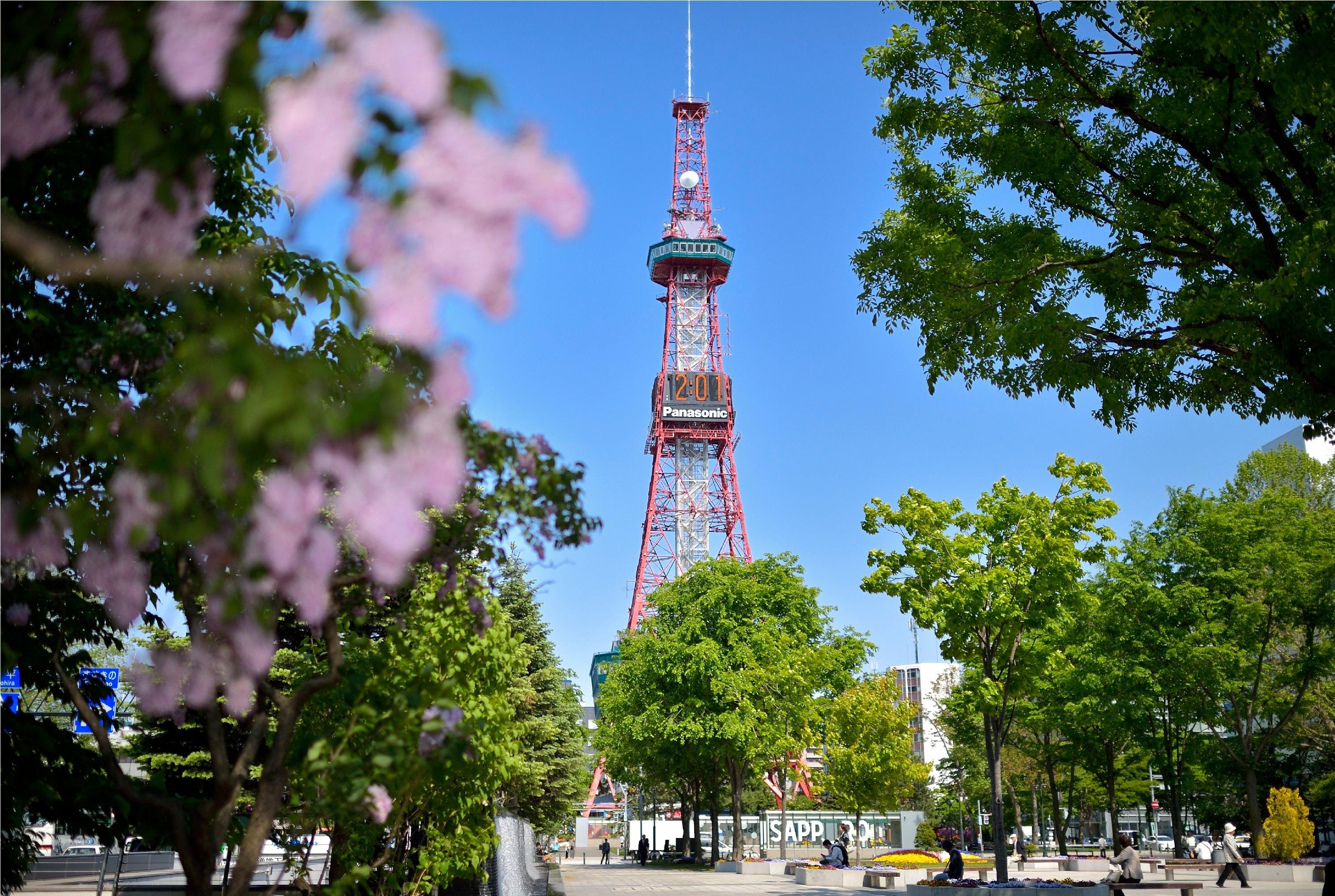
A central green space famous for the Sapporo TV Tower. This landmark spans 12 city blocks.
The primary nightlife and entertainment hub of Sapporo. It is known for its bright neon lights and restaurants.
An observation tower offering panoramic views of the city. It was completed in 1957.
Modern hotel located near the main station with easy transit access.
Located in the heart of Susukino, offering proximity to the sapporo sumo show.
Practical stay for travelers prioritizing location and price.
Join thousands of happy travelers who have discovered this incredible experience
Book Your Experience Now