2 hr
Sapporo Sumo Wrestling Show with Traditional Meal
- Entry ticket
- Mobile voucher
- Valid same day
- Free cancellation
Sapporo Sumo Show Experience — Live Wrestling & Traditional Dining
Front-row seats with champion rikishi, chanko-nabe shared by wrestlers themselves
Compare fares, pick the fit — all bookings are mobile-voucher and eligible for free cancellation where shown.
2 hr
10 hr
Visitors can choose between different access levels for the sapporo sumo show experience to best suit their interest in local culinary traditions and wrestling demonstrations. These official sapporo sumo show experience tours provide an engaging way to witness retired rikishi perform rituals in an intimate venue.
| No Meal Plan Show & Drink |
Top pick With Japanese Meal Plan Show, Drink & Meal |
|
|---|---|---|
| Dohyo viewing | Included | Included |
| Wrestling demonstration | Included | Included |
| Interactive challenge | Included | Included |
| Souvenir photo | Included | Included |
| Japanese cuisine set | — | Included |
| Best for | Budget-conscious visitors | Full cultural immersion |
| See tickets & prices |
Verdict: Select the meal-inclusive sapporo sumo show experience tickets if you wish to enjoy a full sukiyaki and tempura dinner alongside the performance.
Worth it for cultural immersion seekers
The Sapporo sumo show experience delivers exceptional value for visitors seeking authentic cultural engagement in a region without official tournament infrastructure. The basement venue in Chuo-ku hosts retired professional wrestlers who explain ritual, technique, and training while you dine on chanko-nabe—the protein-rich stew sumo wrestlers consume daily. This combination of live demonstrations, cultural commentary, and traditional meal distinguishes the experience from passive观赏. Hokkaido lacks permanent sumo venues, making this informal performance one of few opportunities to witness the sport's rituals up close outside Tokyo or Osaka. The package suits travelers prioritizing educational depth over spectacle; you'll leave understanding the spiritual preparation, ranking system, and daily regimen behind the bouts. Skip if you expect tournament-scale drama or prefer self-guided exploration. The chanko-nabe alone justifies the cost for food-focused travelers, while wrestling fans gain direct access to competitors who've trained at stable level. Book for the cultural education and meal inclusion, not arena-scale entertainment.
Bottom line: For cultural learners and food enthusiasts, the sapporo sumo show experience tours offer rare Hokkaido access to Japan's national sport with substantive meal and education value.
They complement each other; most visitors who do both call the professional circuit the more thrilling spectacle, while the sapporo sumo show experience tour offers a superior interactive cultural immersion.
|
Top pick Sapporo Sumo Show |
Grand Sumo Tournament | |
|---|---|---|
| Focus | Interactive performance and history | Professional competitive matches |
| Venue type | Intimate restaurant setting | Large professional stadium |
| Interaction | Challenge retired wrestlers | Observe from distance only |
| Authenticity | Cultural demonstration | Official professional sport |
| Accessibility | Available daily (Sapporo) | Limited tournament windows |
| Seasonality | Year-round (Autumn open) | Specific months only (Jan/May/Sept/etc) |
| Audience | Casual tourists and families | Dedicated sports fans |
| See tickets & prices |
Verdict: Choose the sapporo sumo show experience tickets for a fun, hands-on cultural lesson, or prioritize a Grand Sumo Tournament if you seek the peak of competitive athleticism.
Hand-picked experiences loved by thousands of travelers
10 hours
Free Cancellation
Full-day coastal adventure from Sapporo to Hokkaido's turquoise cliffs, historic port town, and whisky birthplace
1.5 hours
Free Cancellation
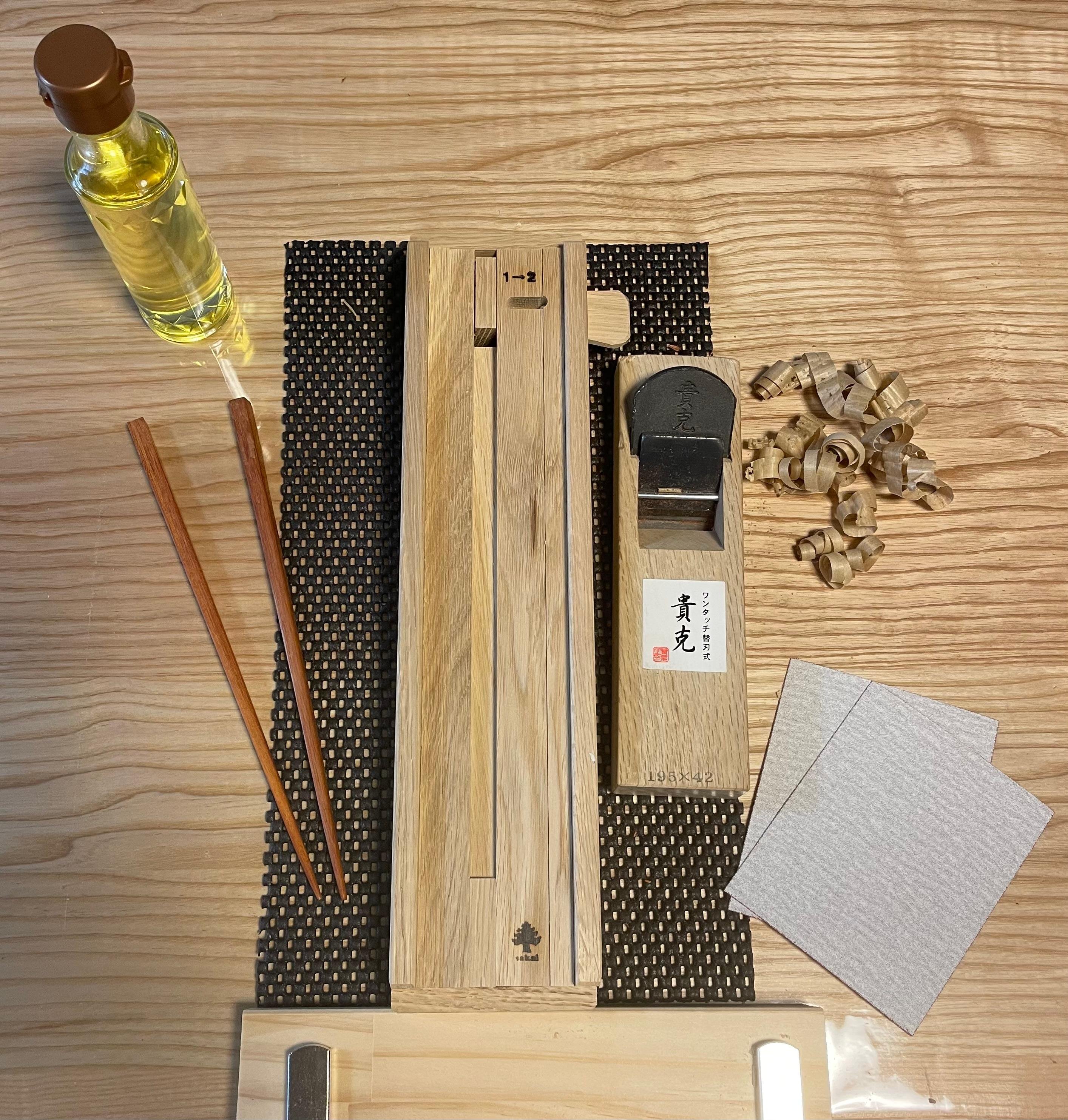
Design and create personalized chopsticks using traditional Japanese woodworking techniques
2 hours
Free Cancellation
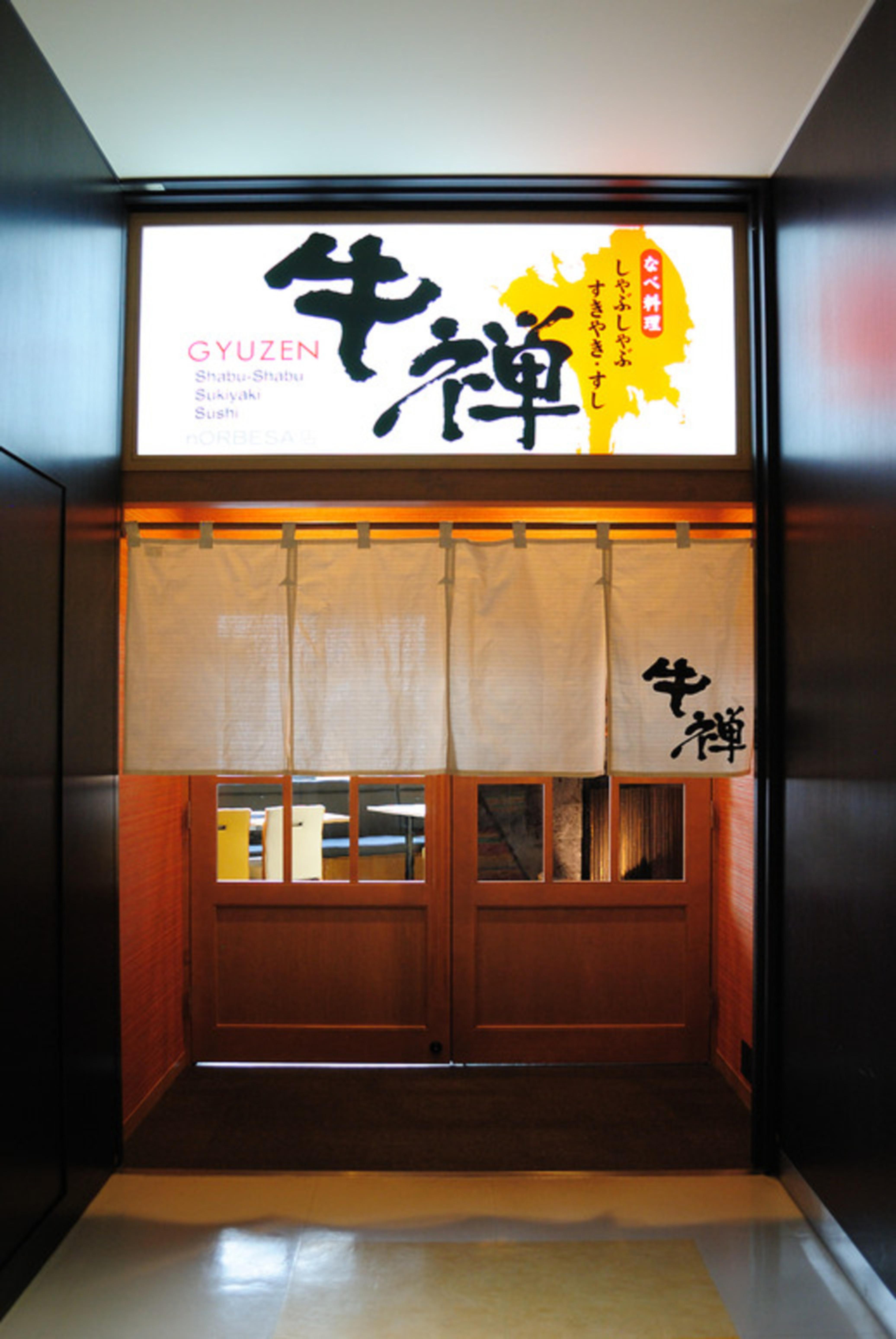
Indulge in unlimited Japanese hot pot with premium Hokkaido meats in Sapporo's vibrant Susukino district
2 hours
Free Cancellation
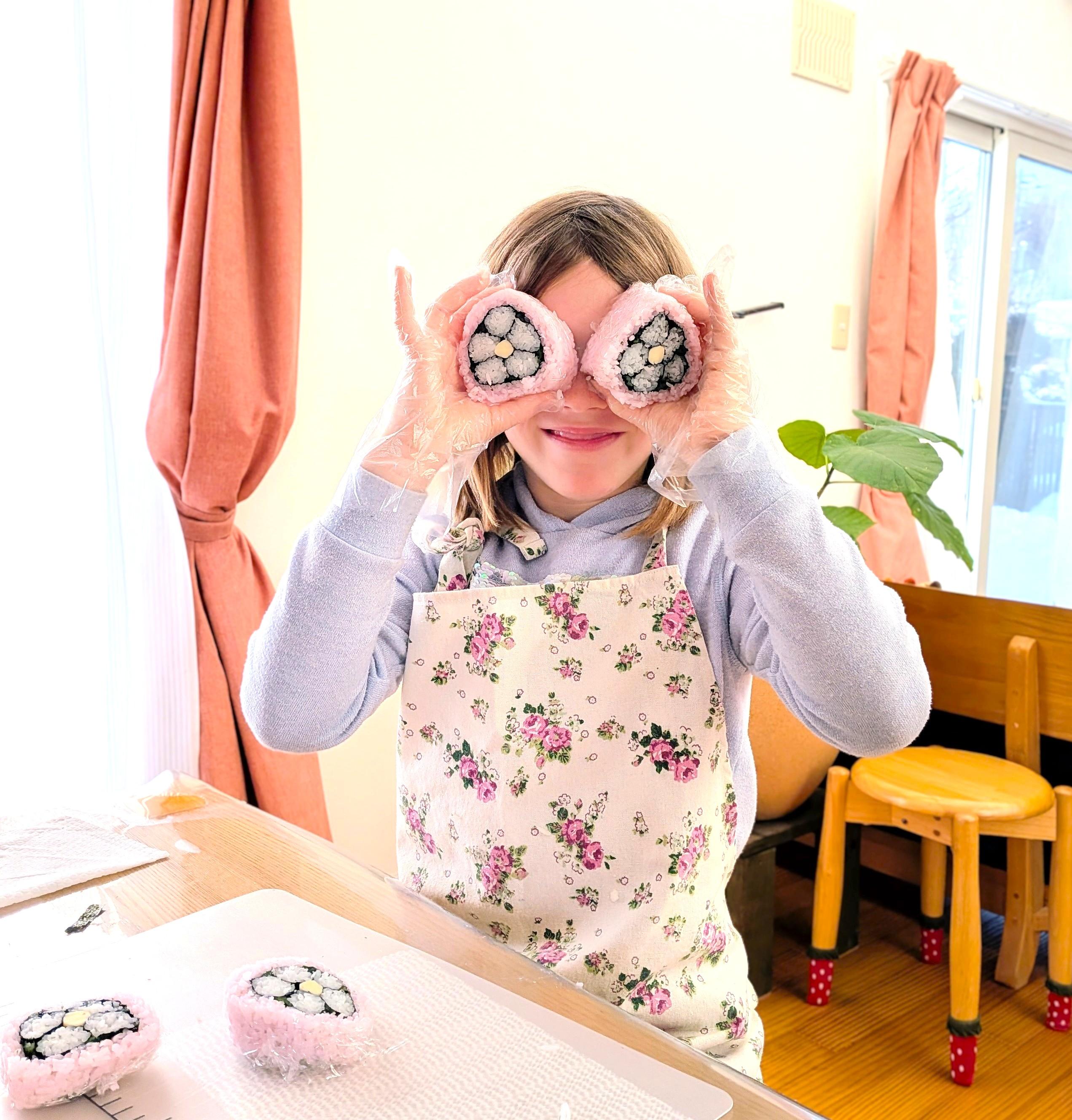
Master the craft of artistic sushi creation while exploring Japan's UNESCO-recognized culinary traditions
10 hours
Free Cancellation
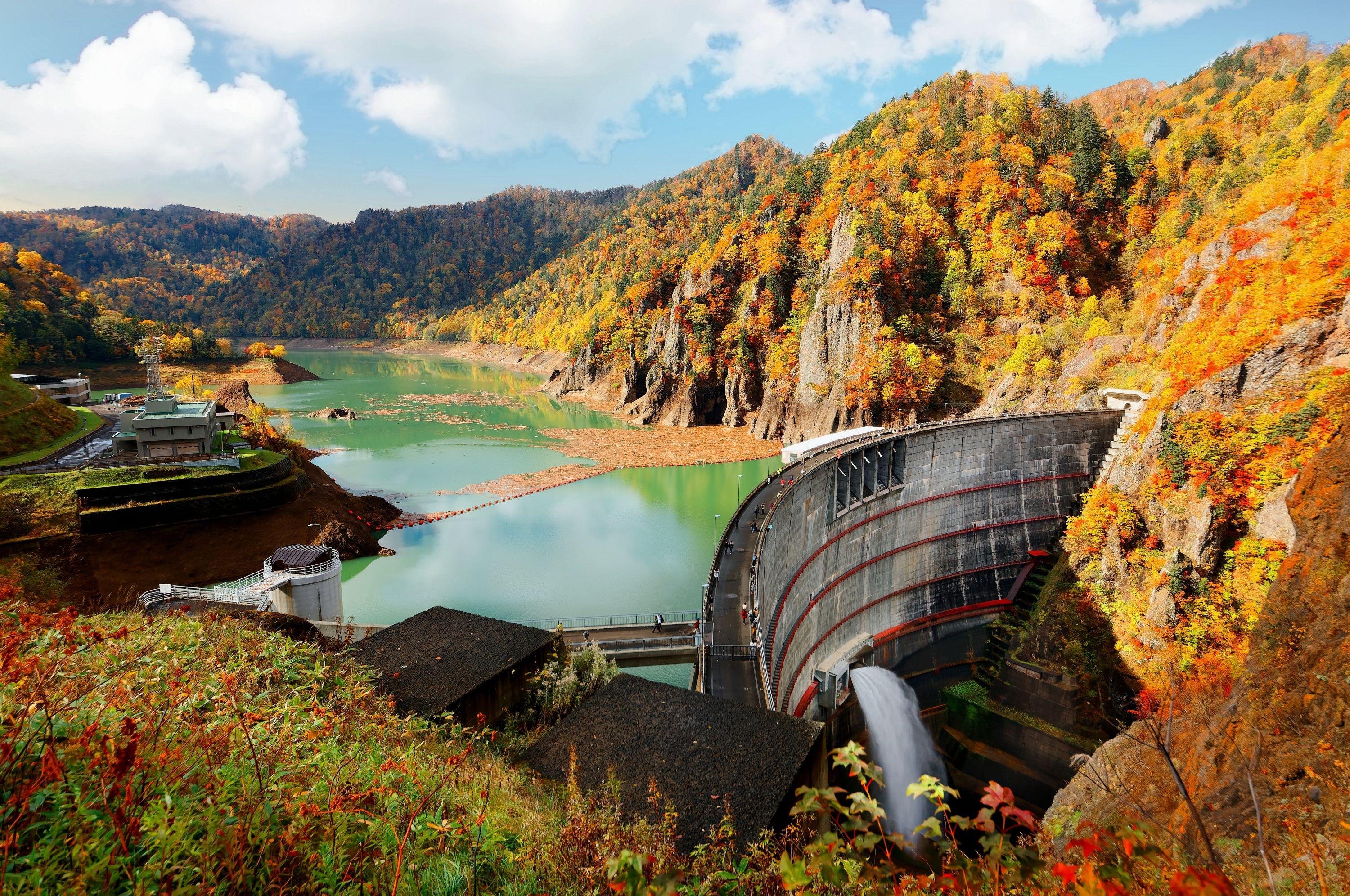
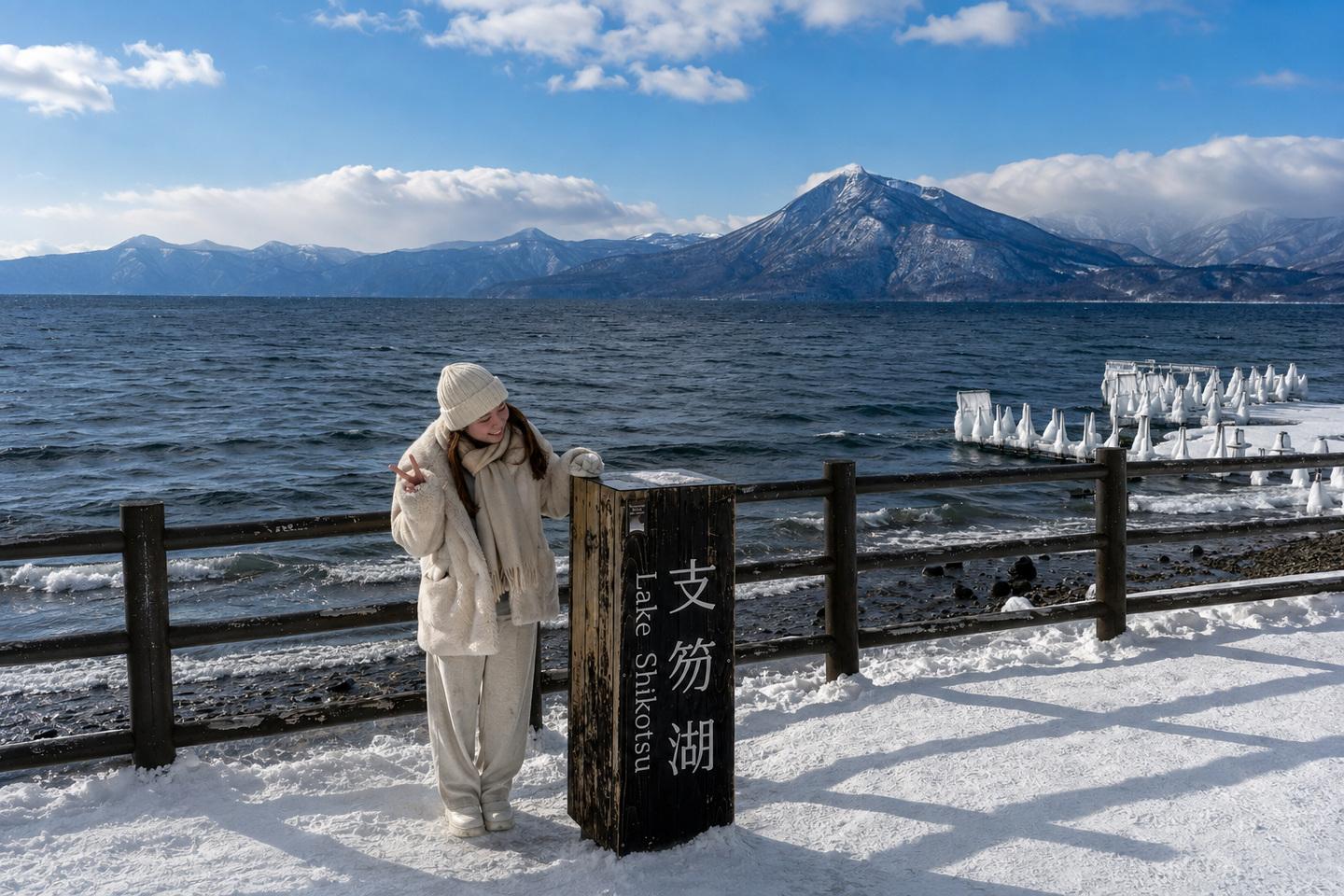
Discover Hokkaido's natural wonders on a full-day coach tour featuring pristine lakes, scenic dams, and relaxing hot spring towns
10 hours
Free Cancellation
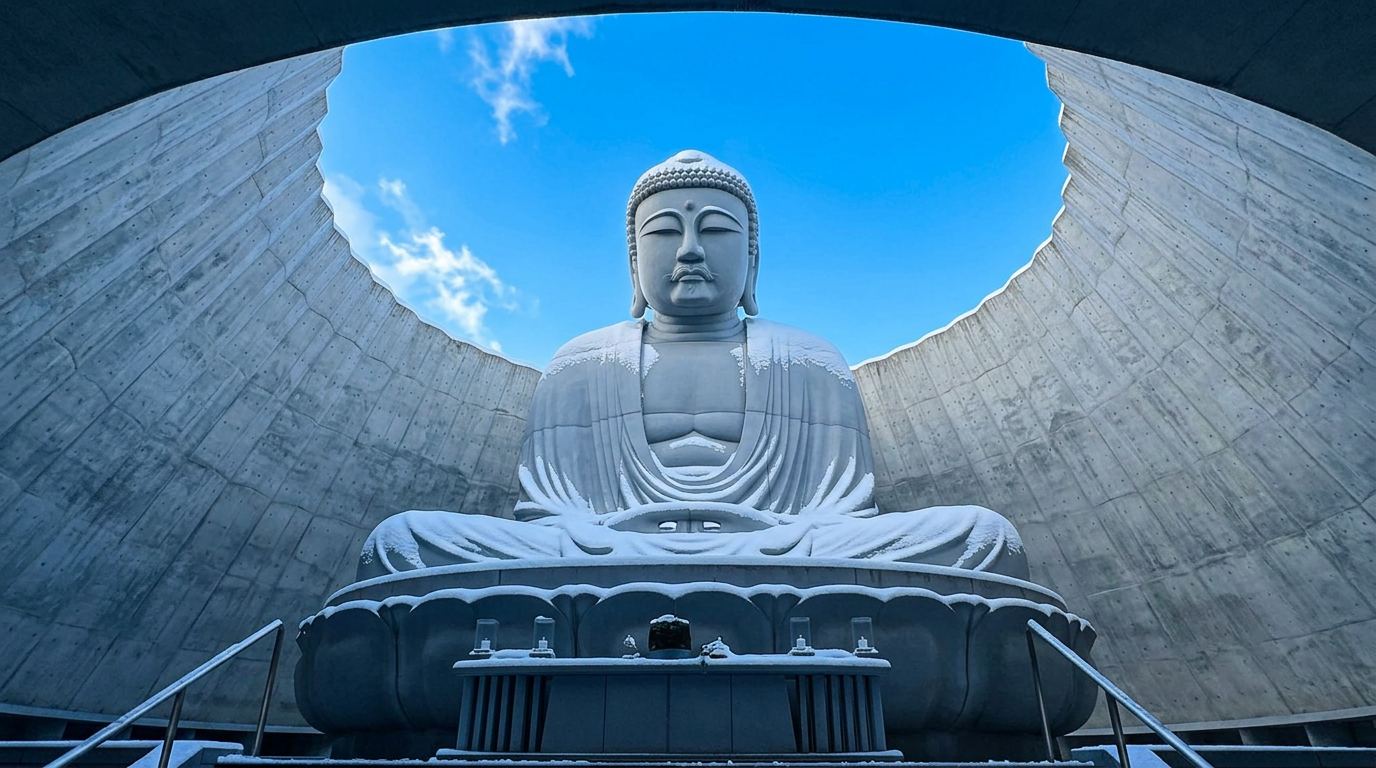
Journey through Hokkaido's spiritual sites, Tadao Ando's architectural wonder, and stunning bay vistas
8 hours
Free Cancellation
Explore two stunning caldera lakes and dramatic volcanic terrain on an 8-hour private excursion through southern Hokkaido
10 hours
Free Cancellation
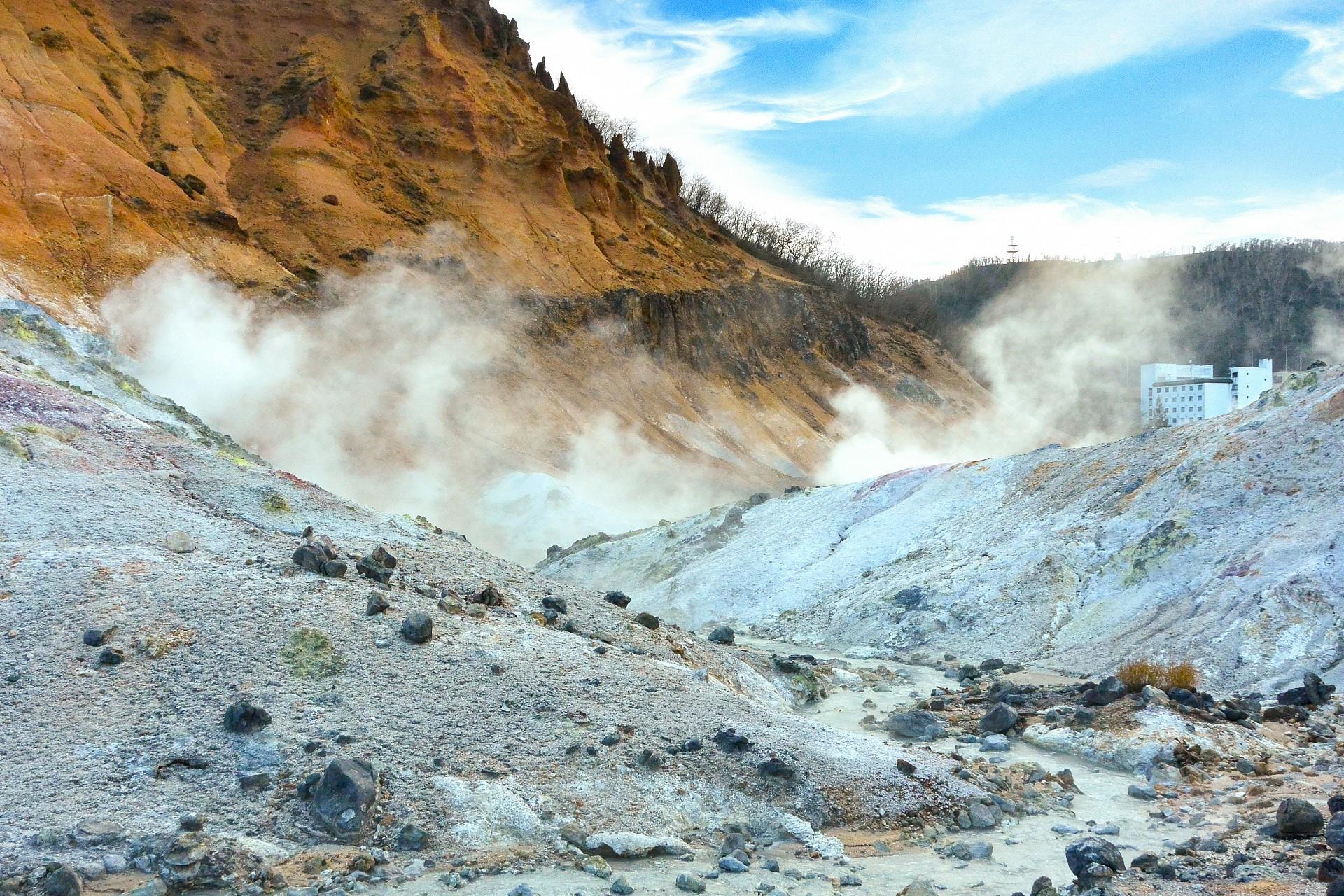
Discover volcanic valleys, soak in natural footbaths, and unwind in 35 therapeutic onsen pools
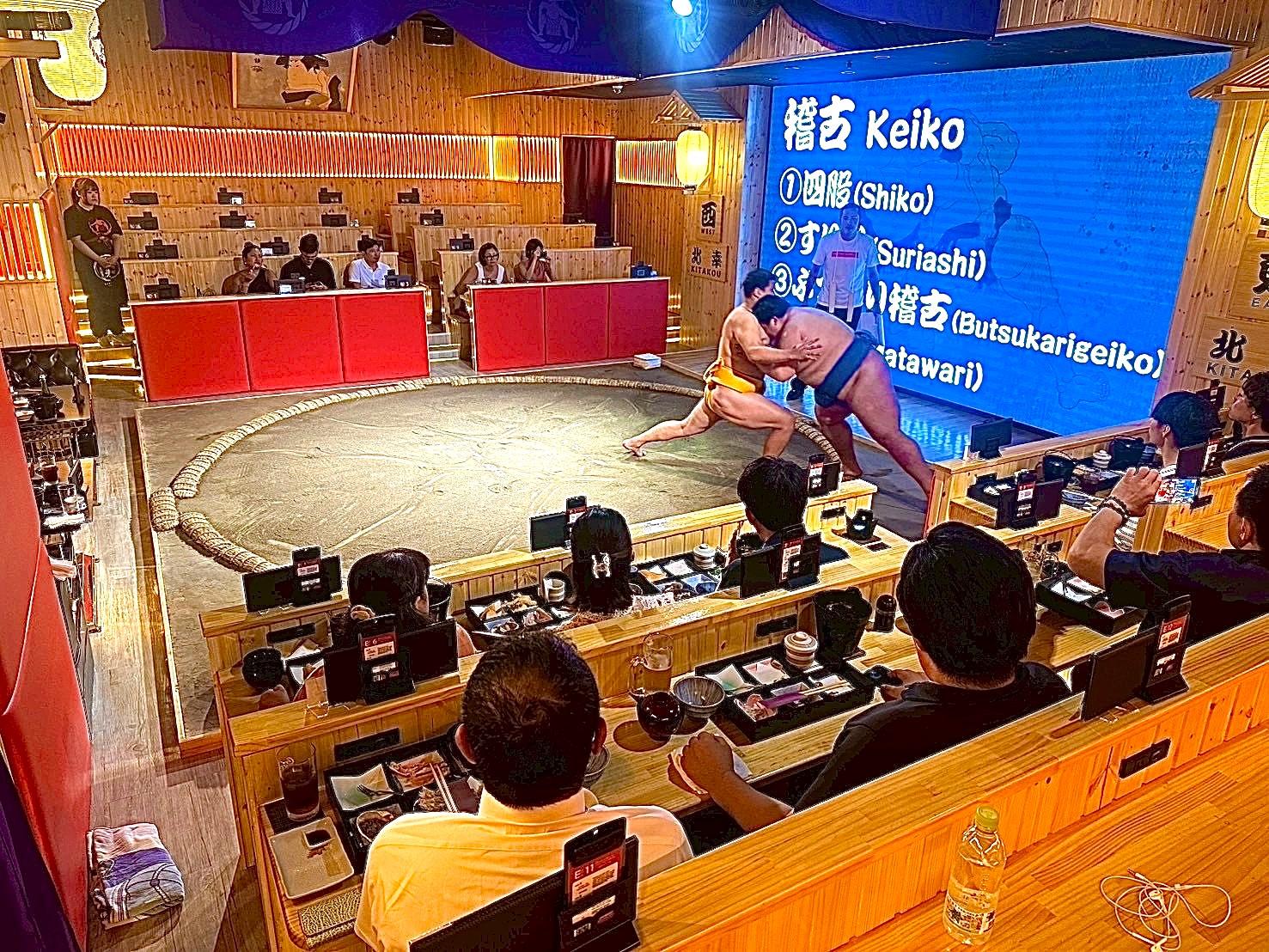
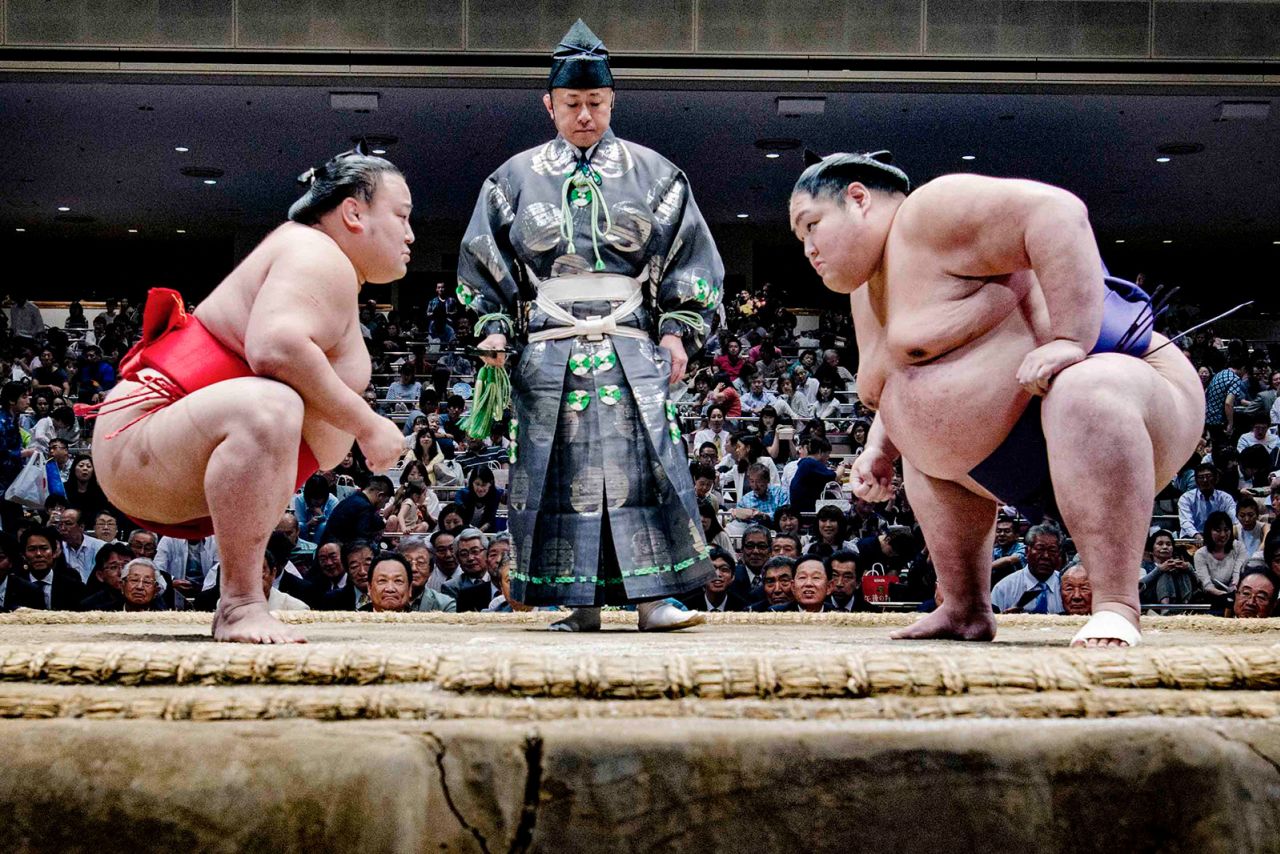
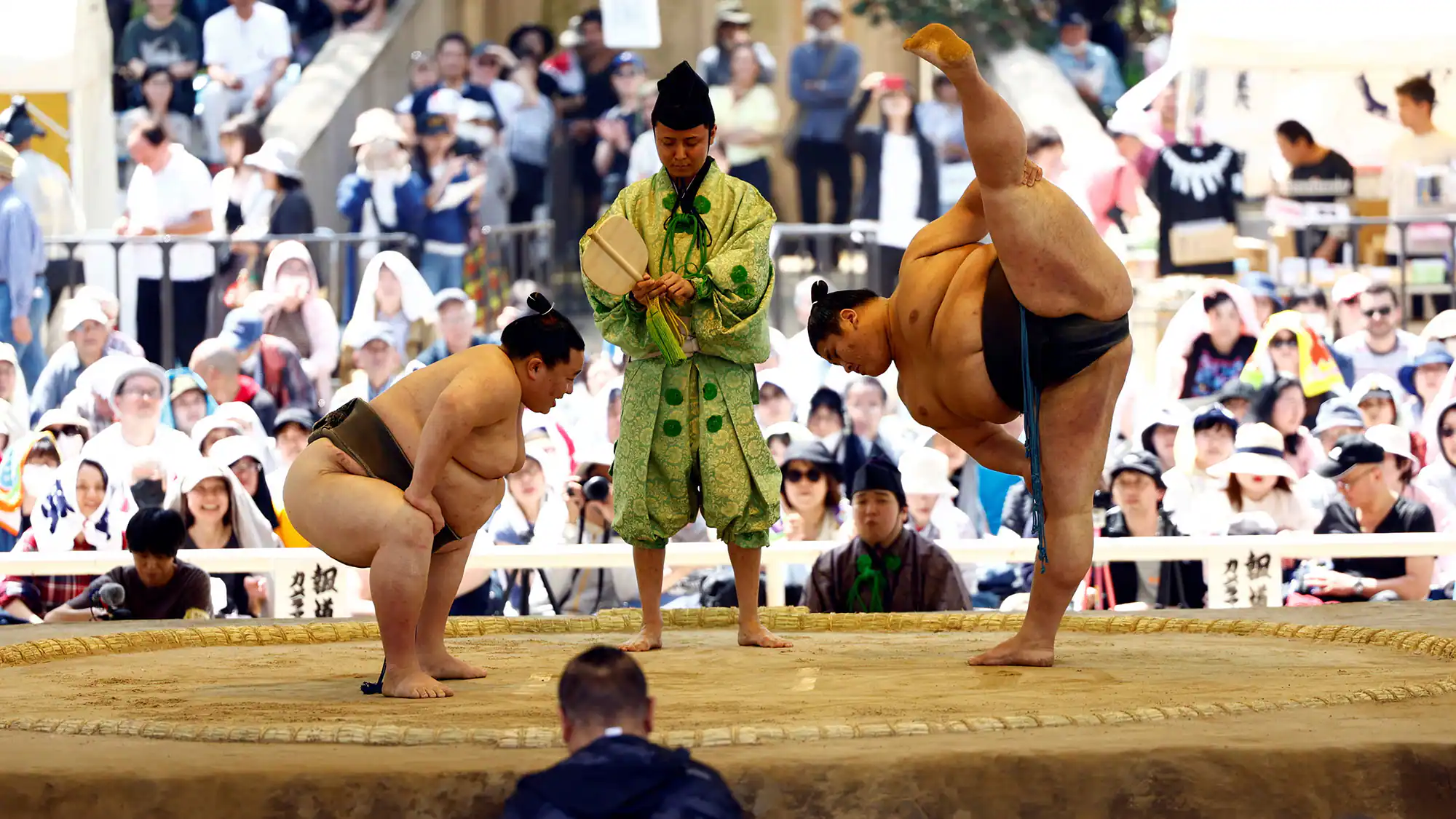
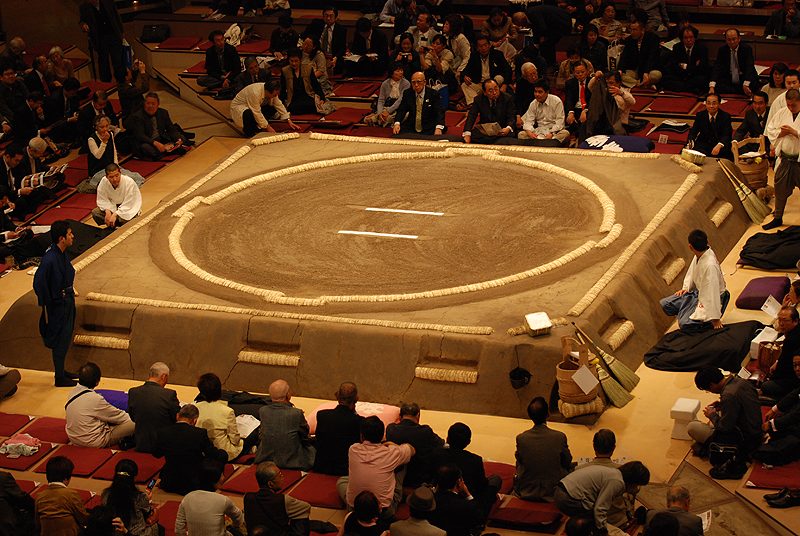
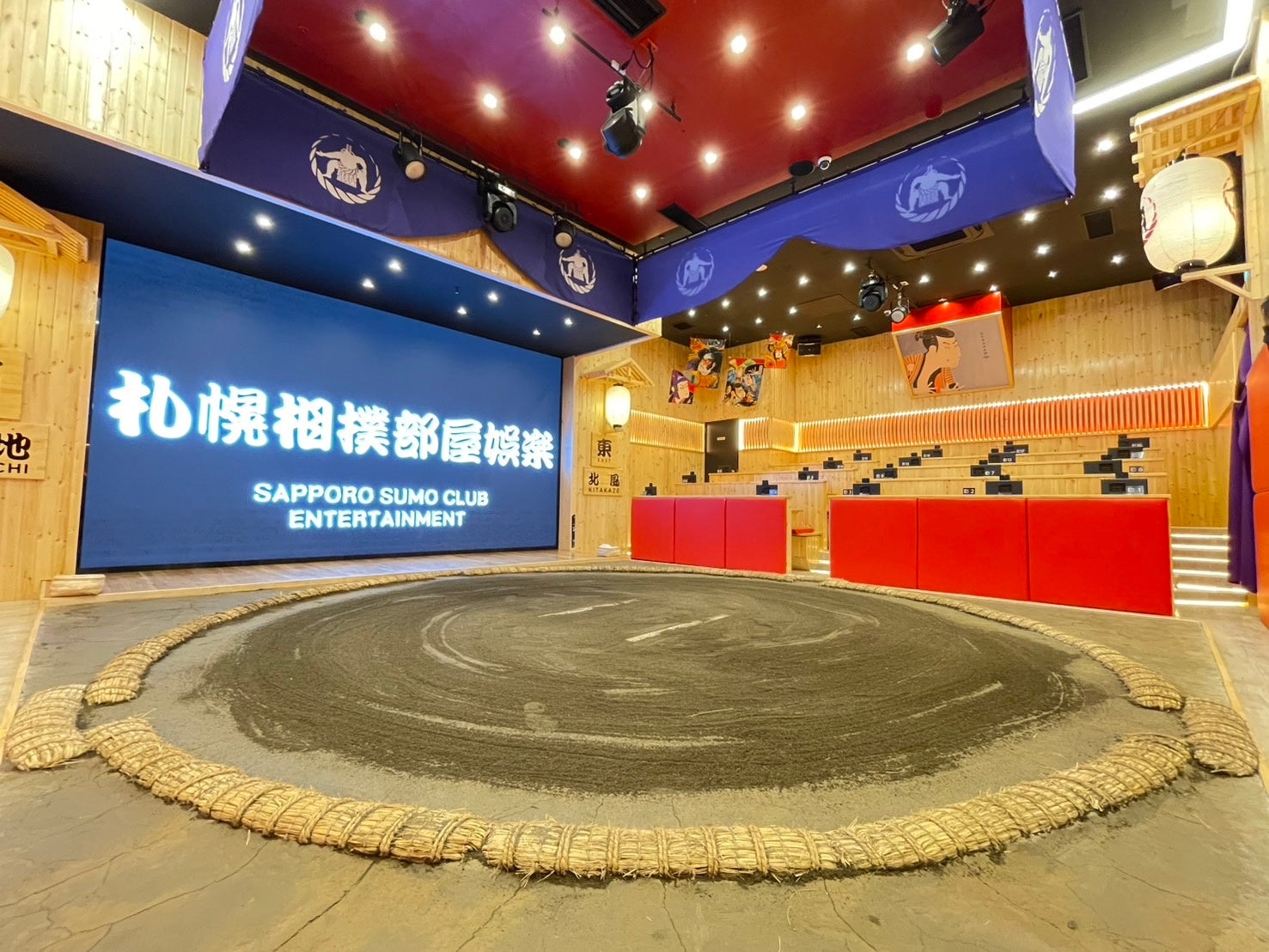
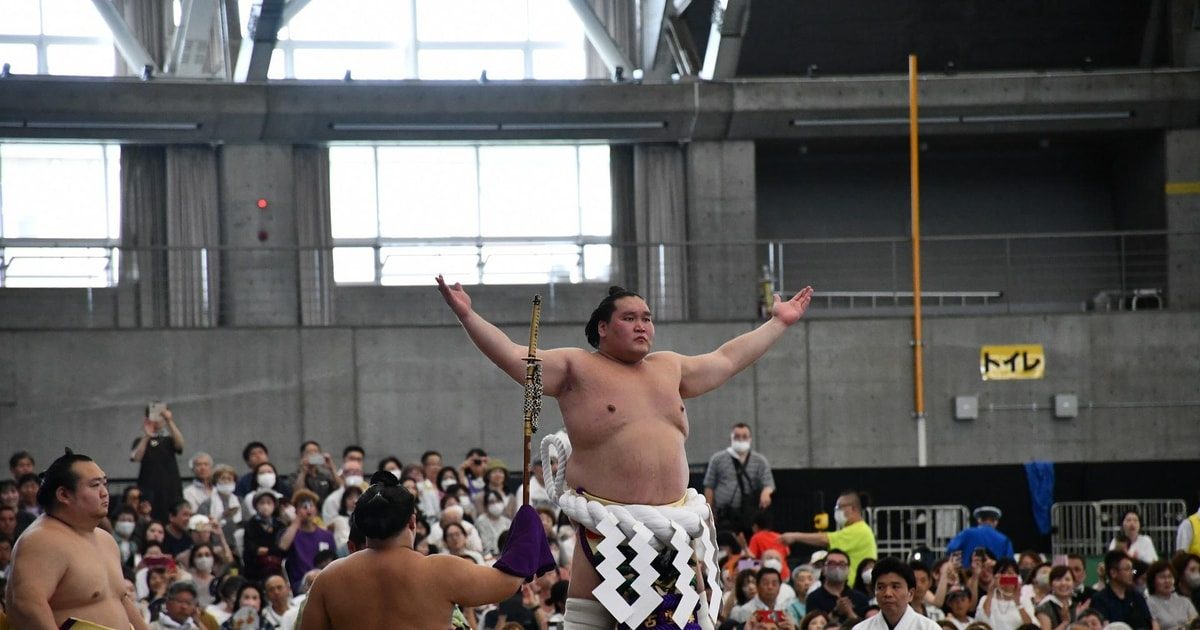
The sacred clay ring where retired wrestlers demonstrate authentic techniques and rituals.
Get a professional-quality photo with the wrestlers to remember your visit.
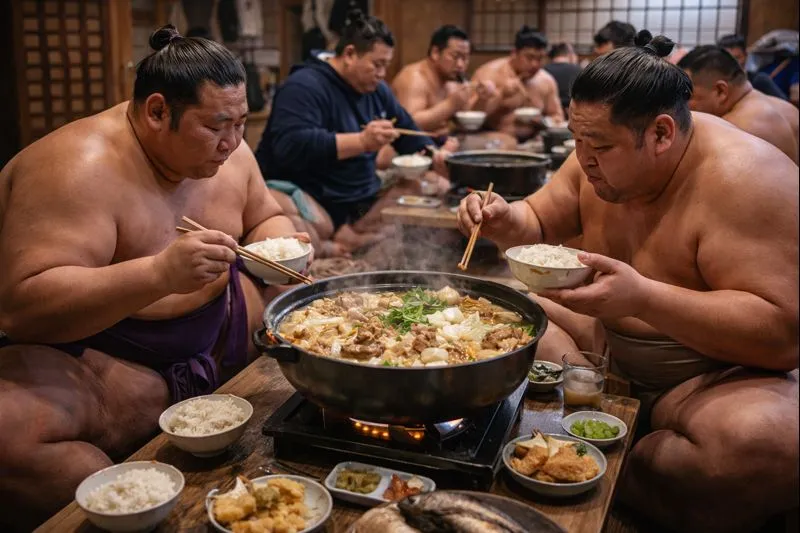
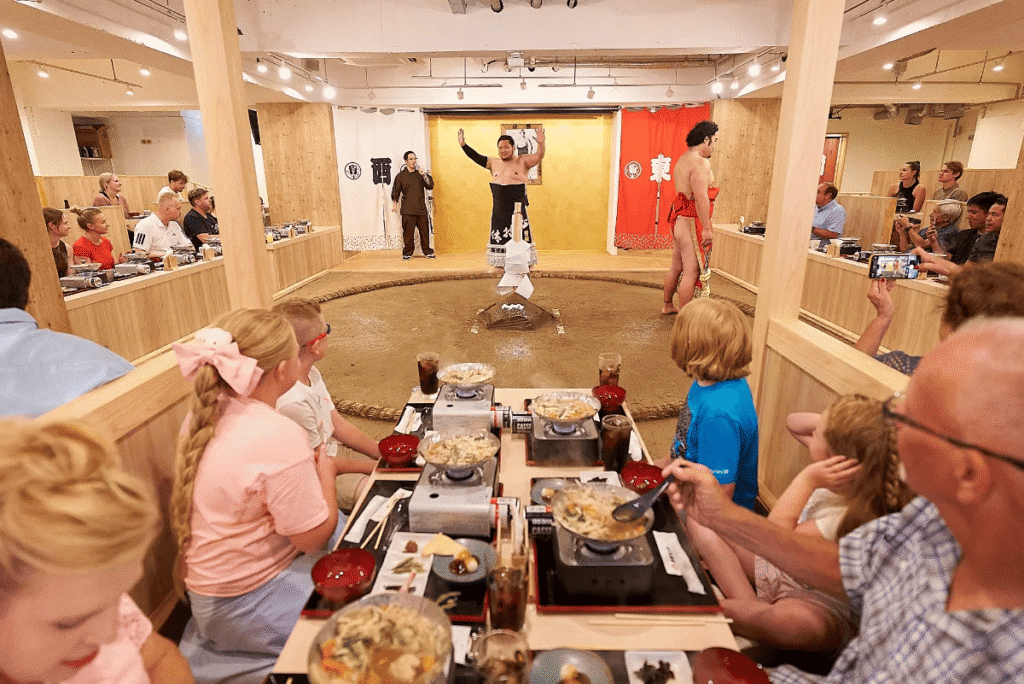
Watch as chefs prepare the traditional protein-rich stew favored by sumo athletes.
Learn about the millennia of tradition behind the sport of sumo.
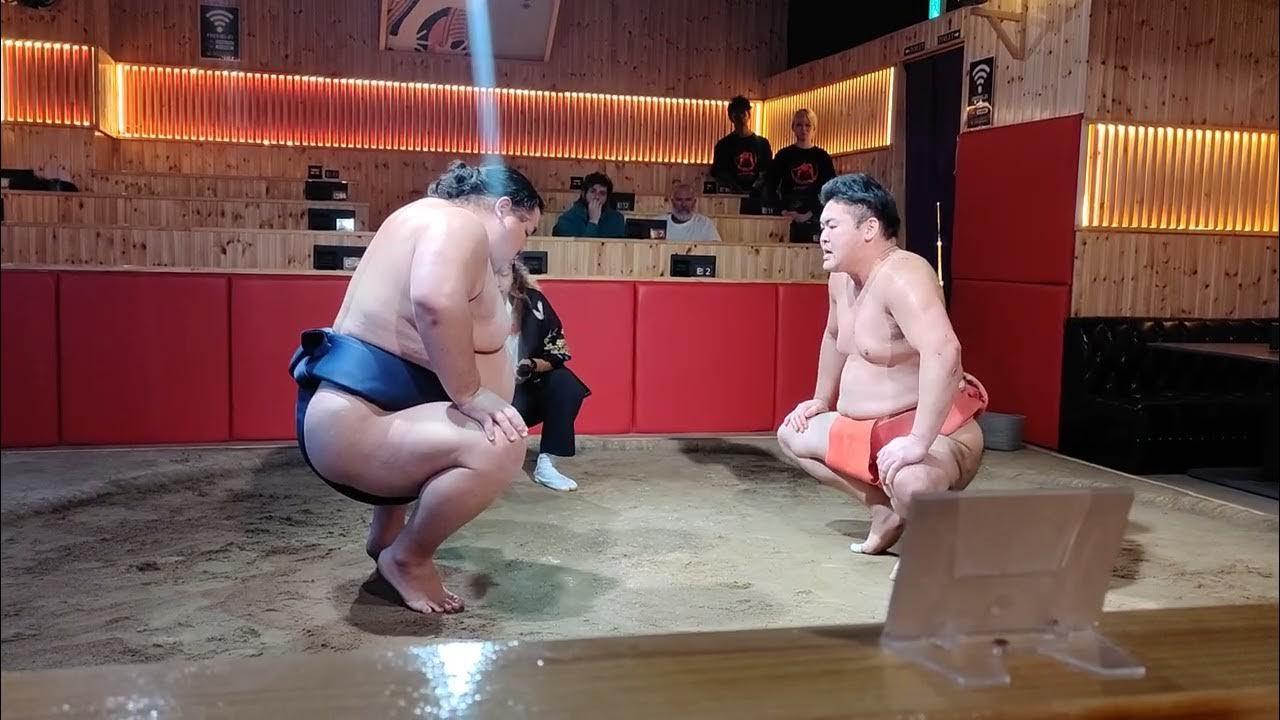
Step into the ring yourself during the supervised challenge portion of the show.
You descend to the basement venue in Chuo-ku 20 minutes before showtime, exchanging your mobile voucher at the reception counter flanked by framed tournament rankings and ceremonial kesho-mawashi aprons.
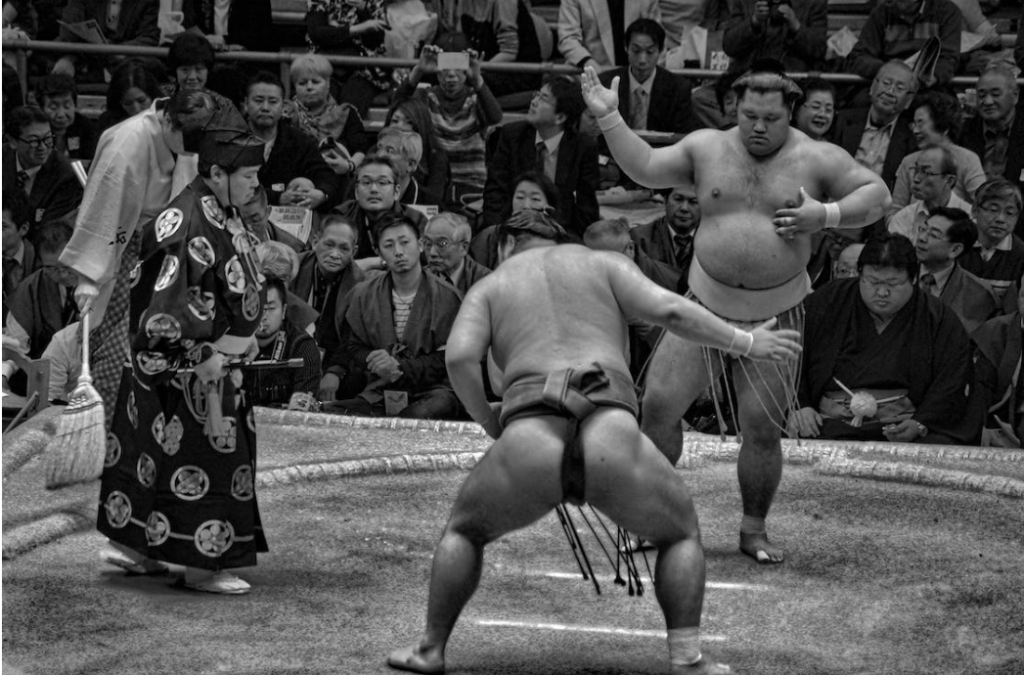
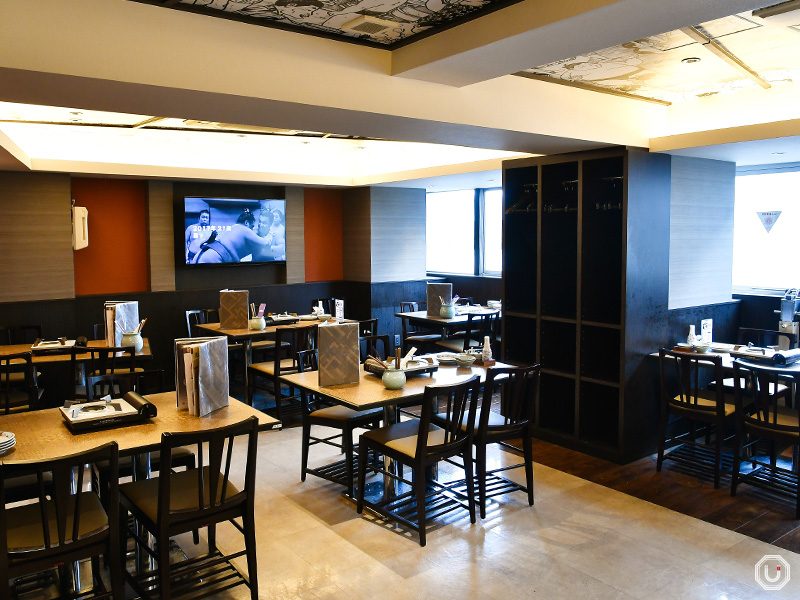
The dining space holds 40 seats arranged theater-style around the elevated dohyō, close enough to hear the slap of palms against thighs during the shiko warm-up. Two rikishi enter in cotton training mawashi, their combined weight exceeding 180 kilograms, and perform the ring purification ritual while an English-speaking host explains the salt's Shinto significance and the referee's tessen fan signals.
The demonstration begins with basic oshi-zumo pushing techniques, then escalates to full-force tachi-ai charges that shake the clay platform. Between bouts, servers circulate with chanko-nabe portions from the communal pot simmering at the kitchen pass — yours arrives in a shallow bowl, chicken and tofu floating in dashi broth thickened with miso, accompanied by rice and pickled vegetables. You watch a mae-mitsu ceremonial throw, rare outside tournament finals, before the wrestlers invite a volunteer to attempt a grip on the mawashi belt, demonstrating why amateur challengers never budge a ranked rikishi's center of gravity. The 90-minute experience concludes with a photo opportunity and a brief Q&A covering stable life, tournament preparation, and the years-long path from recruitment to professional debut.
All the details about your upcoming adventure in one place
Professional sumo wrestling maintains fewer than 700 active rikishi across six Tokyo stables, yet Sapporo hosts one of Japan's rare daily demonstrations open to the public year-round.
The basement venue in Chuo-ku operates independently from the Japan Sumo Association's formal tournament circuit, offering visitors a proximity to the sport impossible during the six annual honbasho held at Ryōgoku Kokugikan. Wrestlers here follow the same training regimen as their Tokyo counterparts: morning keiko sessions replicating Edo-period conditioning drills, hierarchical stable etiquette dating to the 17th century, and strict dietary protocols centered on chanko-nabe, the protein-dense hotpot that can exceed 10,000 calories per serving during tournament preparation.
The chanko-nabe tradition carries practical and symbolic weight. Rikishi consume the dish communally from a single nabe pot, reinforcing stable hierarchy — junior wrestlers serve senior ranks first, and the broth's ingredients vary by stable, season, and wrestler weight class. Sapporo's demonstration pairs the meal with live performance, a combination rare outside stable-affiliated restaurants in Tokyo's Ryōgoku district. Spectators observe ring-entering ceremonies performed since the sport's formalization in 1684, including the shiko leg-stomping ritual believed to drive malevolent spirits from the dohyō clay. The 4.55-meter ring itself follows specifications unchanged since 1931: rice-straw bales buried 70 centimeters deep, Shinto roof suspended overhead, and salt scattered before each bout for purification.
Sapporo's sumo show experience tours provide an educational counterpoint to tournament attendance, where 15-day schedules and single-elimination formats prioritize competition over explanation. Demonstrations here include English commentary on rank distinctions — from jonokuchi trainees to yokozuna grand champions — and the scoring system that determines tournament outcomes. Wrestlers demonstrate kimarite techniques, the 82 officially recognized winning moves ranging from straightforward oshidashi frontal push-outs to rare moves like izori backward pivot throws, seen fewer than ten times per decade in professional matches. The venue's 11:00–21:00 schedule accommodates Sapporo's winter tourism peaks, when Odori Park's snow festival draws international crowds seeking cultural programming beyond outdoor exhibitions.

Rikishi consume chanko-nabe communally from a single pot, reinforcing stable hierarchy unchanged since the Edo period.
Casual attire is appropriate for the sapporo sumo show experience. We recommend comfortable clothing that allows for ease of movement if you choose to participate in the ring challenge.
Large luggage should be stored at your hotel or local station lockers, as the basement venue has limited space. Small personal bags are permitted at the sapporo sumo show experience.
Personal photography is encouraged throughout the show, including during the final souvenir photo session with the wrestlers. Please refrain from using flash during demonstrations at the sapporo sumo show experience.
Families are welcome to attend the show. Children can enjoy the cultural demonstrations and the interactive ring segment during this unique sapporo sumo show experience.
The basement venue is accessible for guests with strollers. Please notify our team in advance if you require any specific assistance regarding mobility for your sapporo sumo show experience.
An authentic meal is included with your package. Please inform us of any dietary restrictions, such as requests for vegetarian meals, at least 48 hours prior to your sapporo sumo show experience.
Opening Hours
11:00–21:00
Address
Minami 4-jo Nishi 2-chome, Chuo-ku, Sapporo
Entry
Check-in via front desk
Best Window
11:00–19:00
Navigation
Basement floor
Public transport · 5m walk · Cost varies
Use the Sapporo Municipal Subway to Susukino Station.
Taxi · Varies · Metered rate
Request drop-off at Minami 4-jo Nishi 2-chome.
For a full refund, cancel at least 24 hours before the scheduled departure time. Experience fees are sold as package deals.
Recommended time
2-3 hours
A typical sapporo sumo show experience requires approximately two hours to fully enjoy the ring demonstrations and cultural interaction. Guests should aim to arrive within the 11:00–19:00 window to ensure smooth check-in at the basement venue in Chuo-ku before their scheduled performance. While these sapporo sumo show experience tours maintain steady capacity, opting for earlier slots allows for a more relaxed atmosphere before the room reaches peak attendance. Booking your sapporo sumo show experience tickets in advance is essential to guarantee your place for this traditional rikishi exhibition.
Crowd levels through the day
Weather · crowds · average price — dots go green to amber to red as each metric rises.
Mild weather perfect for city exploration and indoor cultural events.
Peak tourist season with vibrant street festivals near the venue.
Cool temperatures ideal for enjoying hot Chanko-nabe meals.
Experience a cozy indoor escape from the heavy Hokkaido snowfall.
Popular sessions fill up weeks in advance, especially on weekends.
Mention dietary needs like vegetarian options during the checkout process.
Check-in 15 minutes prior to ensure a stress-free start to your tour.
Consider upgrading for an intimate, unobstructed view of the Dohyo.
Prepare your camera before the photo session to maximize your time with wrestlers.
Basement level of the building
Follow signs for the sumo entrance
Get directionsThe sapporo sumo show experience emerged in the early 2010s as Hokkaido's tourism sector sought authentic cultural programming beyond winter sports and beer heritage. Sumo had maintained a modest foothold in Sapporo since the 1950s, when regional tournaments drew crowds to temporary rings in community halls. By 2012, declining attendance at traditional sumo events prompted local promoters to experiment with dinner-theatre formats that combined abbreviated bouts with chanko-nabe meals. The basement venue in Chuo-ku opened in 2014, initially hosting monthly demonstrations for corporate groups. The format evolved rapidly after 2016, when overseas visitors began outnumbering domestic attendees. Organizers introduced bilingual narration, interactive segments allowing guests to try mawashi belts, and post-bout photo opportunities with retired wrestlers. A 2018 partnership with international booking platforms transformed the sapporo sumo show experience tours into a packaged product, standardizing showtimes and meal components. The venue expanded its kitchen capacity in 2019 to accommodate nightly performances, though the COVID-19 pandemic forced a 14-month closure from March 2020 to May 2021. Post-pandemic operations resumed with reduced seating and pre-booking requirements, eliminating walk-in access. The current model relies entirely on third-party sapporo sumo show experience tickets sold through digital channels, with no box office on-site. Wrestlers rotate from a stable of 12 active performers, most formerly ranked in the makushita or sandanme divisions. The chanko recipe served today follows a Hokkaido variant incorporating salmon and miso, distinct from Tokyo-style versions. Critics note the experience prioritizes accessibility over competitive authenticity, yet it remains the only year-round sumo venue in Hokkaido open to individual travelers.
Regional sumo tournaments held in Sapporo community halls draw local spectators.
Promoters test dinner-theatre sumo formats combining abbreviated matches with chanko-nabe service.
Basement venue in Minami 4-jo Nishi 2-chome opens for monthly corporate demonstrations.
Overseas visitors surpass domestic audience; bilingual narration and interactive elements added.
Partnership with international booking platforms packages shows as fixed-price sapporo sumo show experience tour products.
Kitchen expansion enables nightly performances; walk-in ticket sales discontinued.
Venue closes for 14 months due to pandemic restrictions.
Operations resume with pre-booking model; stable of 12 former professional wrestlers rotate performances.
Stand near the front row to capture the wrestlers in the ring. This position provides a direct view of the mawashi and traditional salt-throwing rituals during the sapporo sumo show experience.
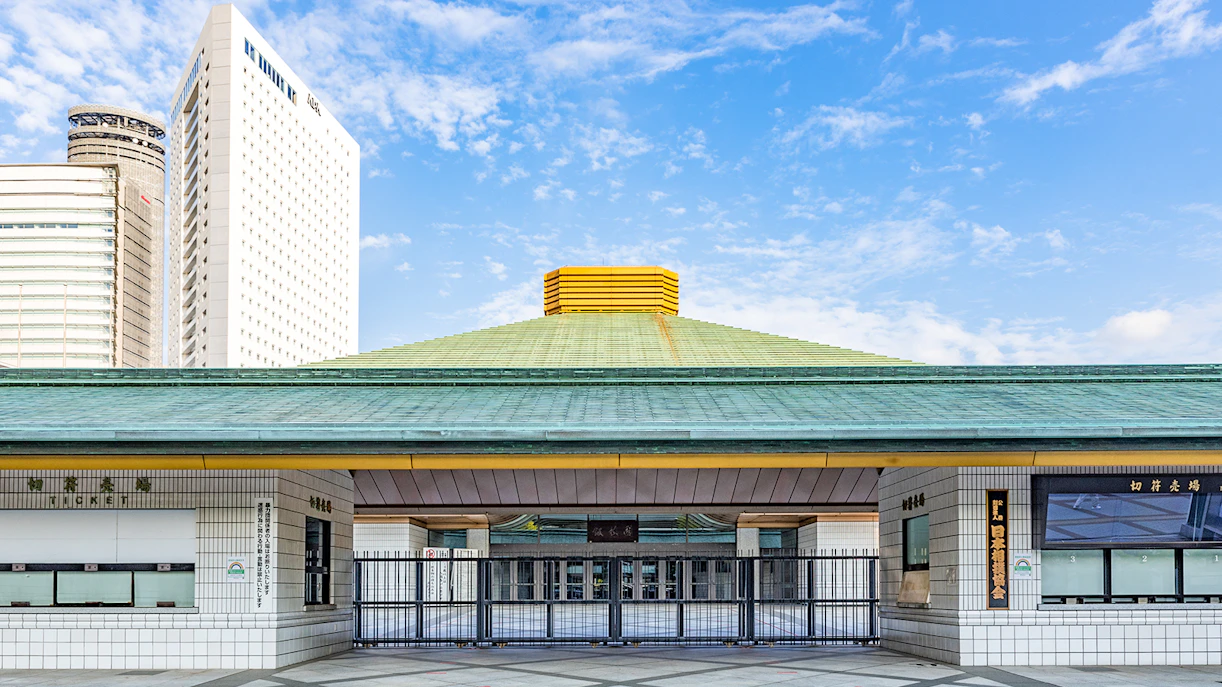
Frame the traditional gate at the venue entry to establish the cultural context of your visit. This spot is ideal before you check in for your sapporo sumo show experience tours.
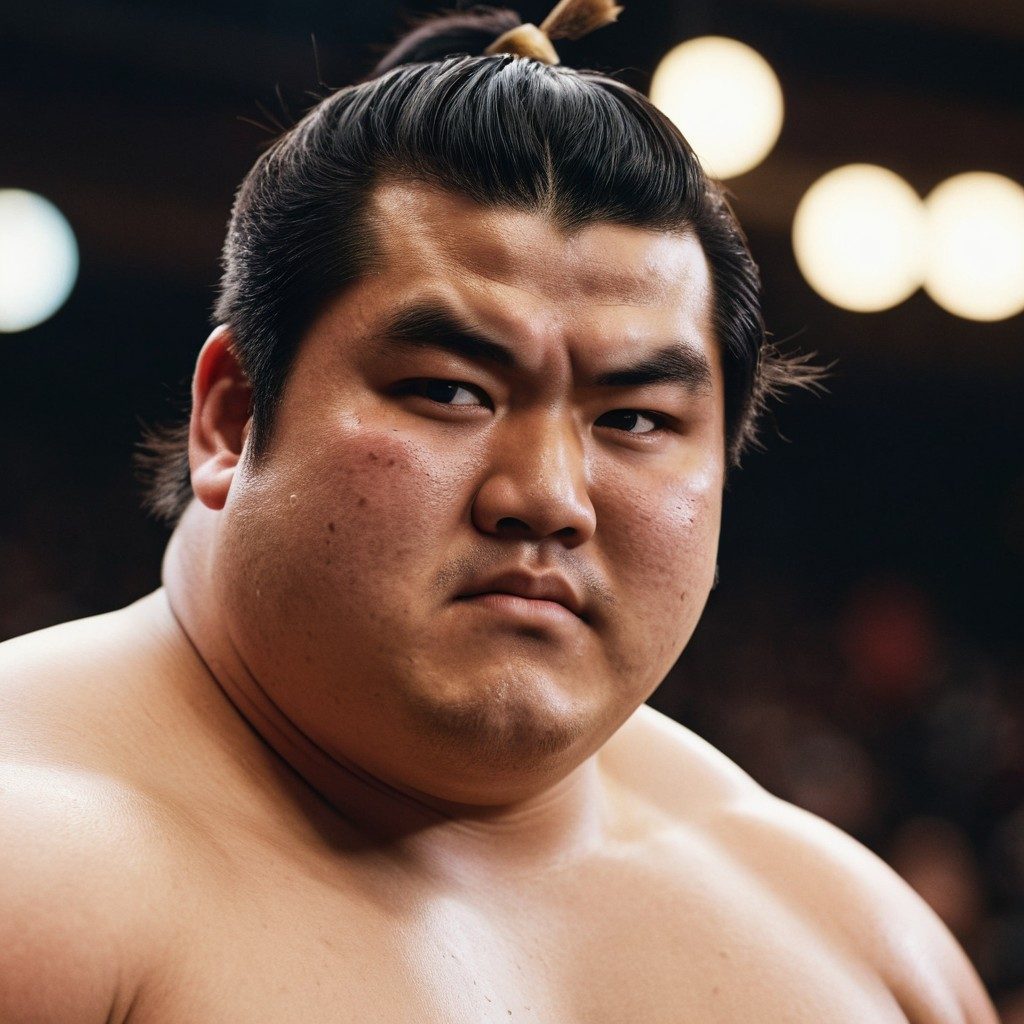
Position yourself near the designated photo area after the match concludes to get a clear portrait. Respect the queue when waiting for these sapporo sumo show experience tickets holders' sessions.
Capture the architectural details and traditional decor lining the path to the main hall. This transition space offers a glimpse into the venue's preparation for your sapporo sumo show experience tour.
Planning a family visit to the sapporo sumo show experience requires preparation to ensure children remain comfortable throughout the event. This cultural encounter offers a unique look at traditional Japanese rituals in an accessible basement setting.
The venue is located on the basement floor, so plan to fold strollers upon arrival or use a carrier for easier navigation. Space is limited in the viewing area, making compact gear a better choice for your sapporo sumo show experience tour.
While there is no strict minimum age, the program is best suited for school-aged children who can sit quietly during performances. Younger toddlers may find the loud sounds and intensity of the wrestlers overwhelming.
There are no dedicated baby-change facilities on-site, so please plan your diapering needs before entering the building. You should confirm if nearby department stores have the necessary family stations if you require more comprehensive services.
Use the best arrival window of 11:00–19:00 to help your group settle in before the show begins. Arriving early with your sapporo sumo show experience tickets prevents rushing and allows children to acclimate to the environment.
This location is an ideal indoor activity during autumn, as the venue is fully climate-controlled and protected from the elements. It serves as a reliable Sapporo landmark tour option when outdoor sightseeing is hindered by weather.
Dining options near the sapporo sumo show experience are plentiful given the venue's central location in the Susukino district. While specific traditional meals are often included in your sapporo sumo show experience tickets, the surrounding Minami 4-jo area offers various eateries for those seeking additional refreshments.
A famous spot for Jingisukan, a local grilled mutton dish that pairs well with autumn evenings after your sapporo sumo show experience tours. Expect queues, so arrive early.;Sutamina Honten
Everything you need to know for your journey
The venue is open daily from 11:00–21:00, allowing flexibility for your visit. Please check your specific booking for the exact showtime.
Yes, the venue is accessible for strollers and mobility aids.
Outside food and beverages are not permitted as a meal is provided.
Photography is encouraged, though flash should be avoided during demonstrations.
We recommend booking at least two weeks in advance, especially for weekend slots.
Casual attire is perfectly fine for the sapporo sumo show experience.
There are no strict age limits; families are encouraged to join the fun.
The venue is located in the basement of the building at Minami 4-jo Nishi 2-chome.
You may cancel up to 24 hours before your scheduled departure for a full refund.
Nearby landmarks include the Noria Observation Wheel and the Tanukikoji Shopping Street.
A historic covered arcade offering local goods and eateries.
The city's famous entertainment hub known for nightlife and dining.
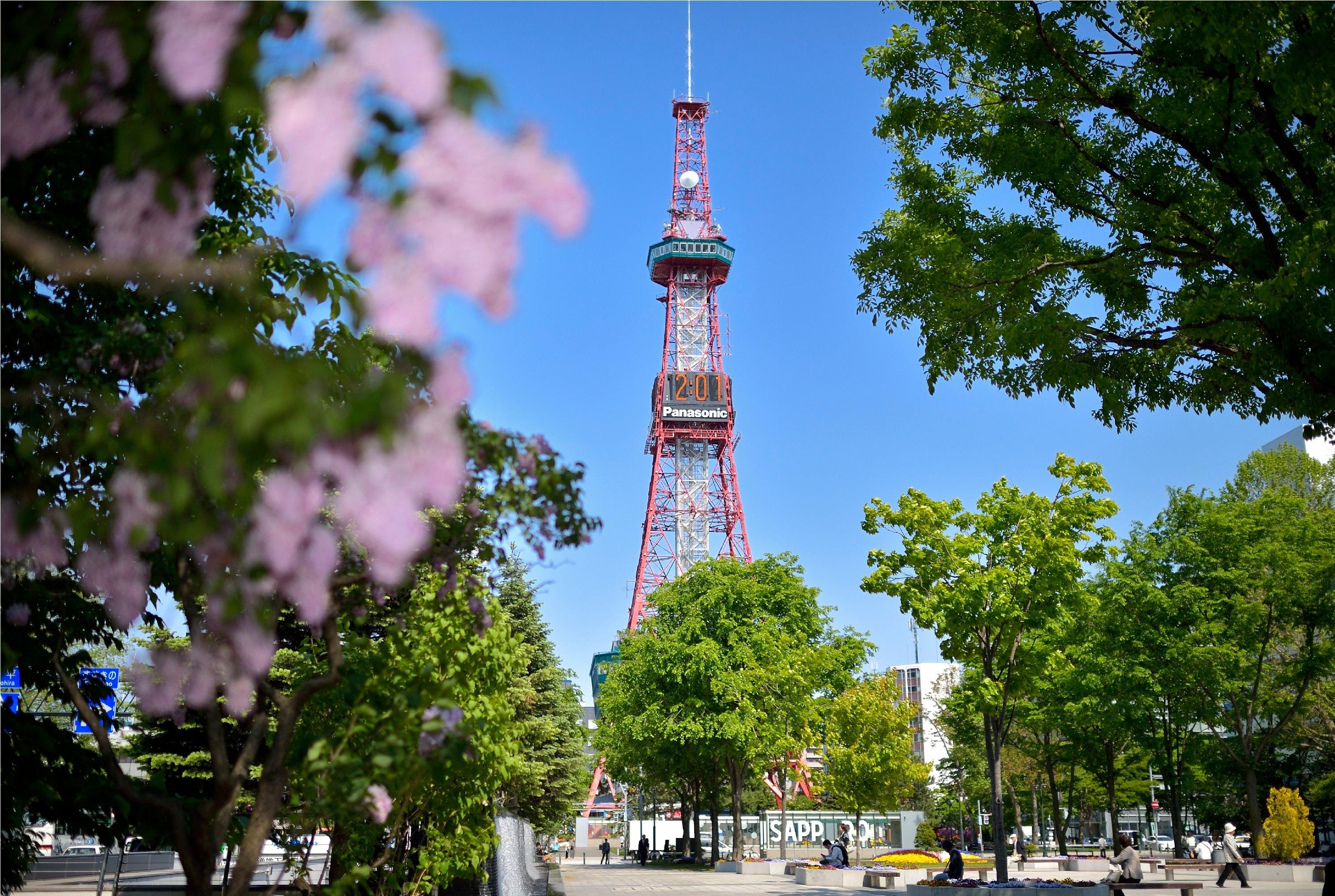
A sprawling green space hosting seasonal events and the TV Tower.
A rooftop Ferris wheel offering panoramic city views.
Convenient location near the sumo venue.
Stylish accommodations in the heart of Chuo-ku.
Reliable comfort close to major transit lines.
Join thousands of happy travelers who have discovered this incredible experience
Book Your Experience Now